


Finding beautiful lighting that balances sustainability with unique design can feel overwhelming for homeowners and interior designers in New Zealand and Australia. Many people still misunderstand the value and possibilities of glass block lamps, often seeing them as dated or purely functional. This guide clears up those misconceptions, highlighting the essential concepts behind glass block lamps so you can confidently choose lighting that reflects both your eco-friendly values and your love of archectural design.
Table of Contents
- Glass Block Lamps – Essential Concepts And Misconceptions
- Handcrafted Variations And Customisable Features
- Eco-Friendly Manufacturing And Reclaimed Materials
- Practical Uses In Home And Commercial Spaces
- Cost, Common Mistakes And Sustainable Benefits
Key Takeaways
| Point | Details |
|---|---|
| Understanding Glass Block Lamps | These lamps combine aesthetic appeal with functionality, utilising hollow glass blocks to diffuse light beautifully while serving as decorative pieces. |
| Dispelling Misconceptions | Common myths include that glass block lamps are one dimensional or too heavy; in reality, they are versatile, and sculptural, and the wireless design adds even greater functionality. |
| Sustainable Practices | Our Glass block lamps are made from recycled materials and offer long-term sustainability benefits, contributing to a circular economy and reducing environmental impact. To date Lumo Bloc Lamps has prevented over 2.7 tonnes of constrcution waste ending in landfill. |
| Customisable Design | Handcrafted variations provide unique designs and adjustable lighting features, allowing you to tailor your lamp’s ambiance to suit your personal style and needs. |
Glass block lamps – Essential concepts and misconceptions
Glass block lamps combine heritage craftsmanship with modern sustainable design, yet many misconceptions surround what they truly are and how they function. Understanding the essential concepts behind these lamps helps you make informed choices about incorporating them into your home.
What glass block lamps actually are
Glass blocks are made from two molded pieces of glass annealed together with a hollow centre, creating a translucent architectural material. When integrated into lamps, they transform from structural building elements into decorative lighting solutions that diffuse light beautifully.
The hollow centre isn’t just aesthetic—it serves a practical purpose. This design allows light to travel through the block while creating a soft, diffused glow that reduces harsh shadows and glare in your living spaces.
Common misconceptions debunked
Many people hold false beliefs about glass block lamps that prevent them from considering these pieces for their homes:
- “They’re purely functional” – Glass blocks have rich aesthetic value and can serve as striking decorative focal points in any room, both turned on and when off.
- “They’re heavy and fragile” – The hollow construction makes them surprisingly durable and manageable in weight
- “They only work in industrial spaces” – Their versatility suits modern, traditional, and eclectic interiors equally well, every lamp is customiseable, to suit your aesthetic
Glass block lamps bridge the gap between architectural heritage and contemporary sustainability, offering both visual impact and functional lighting benefits.
Historical context matters
Prism lighting principles emerged in the early 1900s, allowing architects to deliver natural light where windows weren’t feasible. This innovation shaped how we think about light diffusion today. Glass blocks became popular in Art Deco and Streamline Moderne buildings, symbolising progress and modernity.
Today’s glass block lamps honour that legacy whilst embracing sustainable practices by repurposing reclaimed building materials—a philosophy that resonates deeply with New Zealand and Australian homeowners seeking responsible design choices.
Why misconceptions persist
Many people confuse glass blocks with solid glass or assume they require special installation. In reality, modern glass block lamps like the wireless rechargeable designs are standalone pieces requiring no permanent fixtures or expertise to display.
Another common assumption is that they’re outdated. Actually, their light-diffusing qualities make them perfectly suited to creating the ambient, warm lighting that contemporary interior design increasingly values.
Pro tip: When evaluating a glass block lamp for your space, test how it diffuses light at different times of day—morning light, afternoon sun, and evening artificial light will all interact differently with the glass, helping you choose the perfect spot for maximum impact.
Handcrafted variations and customisable features
Every glass block lamp tells a unique story through its design choices. Your preferences shape everything—from the wood grain framing your lamp base to the lighting mood it creates in your home.
Design flexibility meets craftsmanship
Handcrafted glass block lamps blend mid-century modern influences with contemporary sustainability. Each piece reflects careful attention to detail in the wooden frames and glass assembly, creating a harmonious balance between industrial and organic elements.
The artisanal approach means no two lamps are identical. Natural wood variations add character that mass-produced lighting simply cannot replicate, making your lamp genuinely one-of-a-kind.
Customisable lighting features
Adjustable LED brightness and colour modes allow you to transform your lamp’s ambiance throughout the day. These aren’t fixed decorative pieces—they’re dynamic mood-setting tools.
Remote-controlled lighting gives you practical flexibility:
- Warm white tones for evening relaxation and reading
- Neutral white for task lighting in home offices
- Dimming options to match your energy levels
- Colour temperature adjustments to suit different seasons and times of day, many studies have established health and mental wellbing impacts linked with coloured lighting.
Style and base variations
Your base choice significantly influences the lamp’s overall aesthetic. Sustainably sourced timber options include native New Zealand woods, each with distinct grain patterns and colours.
Base configurations adapt to your lifestyle:
- Wired designs for permanent placement and consistent power, the additional flexibility of being able to choose LED colour, either cool white or warm white. and choice of cord colour, white or black.
- Wireless rechargeable models for flexible positioning and clutter-free spaces, perfect for taking from the dining room to the lounge to set the mood wherever you are in your home
Size variations accommodate different room scales. A compact lamp suits bedside tables, whilst larger blocks anchor living room corners as statement pieces.
Customisation isn’t just about aesthetics—it’s about creating a lamp that genuinely serves your daily life and reflects your aesthetic.
Size and scale considerations
Glass block dimensions and styles range to suit various interior spaces. Smaller blocks work beautifully on shelves and side tables, creating intimate pools of light.
Larger configurations become focal points, visible from across rooms. Their translucent quality means they complement rather than dominate surrounding décor.
Pro tip: When selecting your glass block lamp, consider how natural light enters your space during different times—position your lamp where it’ll benefit from both ambient daylight and evening artificial light to maximise its visual impact and lighting versatility throughout your day.
Eco-friendly manufacturing and reclaimed materials
Sustainability isn’t just marketing language for glass block lamps—it’s baked into every stage of production. When you choose a handcrafted lamp, you’re supporting a circular economy that values waste reduction and responsible resource use. The Glass locks have all been rescued from landfill during demolition and redevelopment projects and the wood is sustaianbly sourced. All packaging aligns with the Eco Packaging alliance and is recyclable, reusable and compostable.
Experience Sustainable Innovation with Handcrafted Glass Block Lamps
If you are searching for a lighting solution that embodies sustainability without compromising style explore the unique collection of Wireless Lamps – Lumo Bloc Lamps and Wired Lamps – Lumo Bloc Lamps at Lumo Bloc. These lamps are designed with reclaimed materials and expertly crafted in New Zealand to deliver that perfect balance of ambient glow and environmental responsibility. Their lightweight hollow glass blocks diffuse light beautifully while honouring architectural heritage and sustainable design principles discussed in the article.
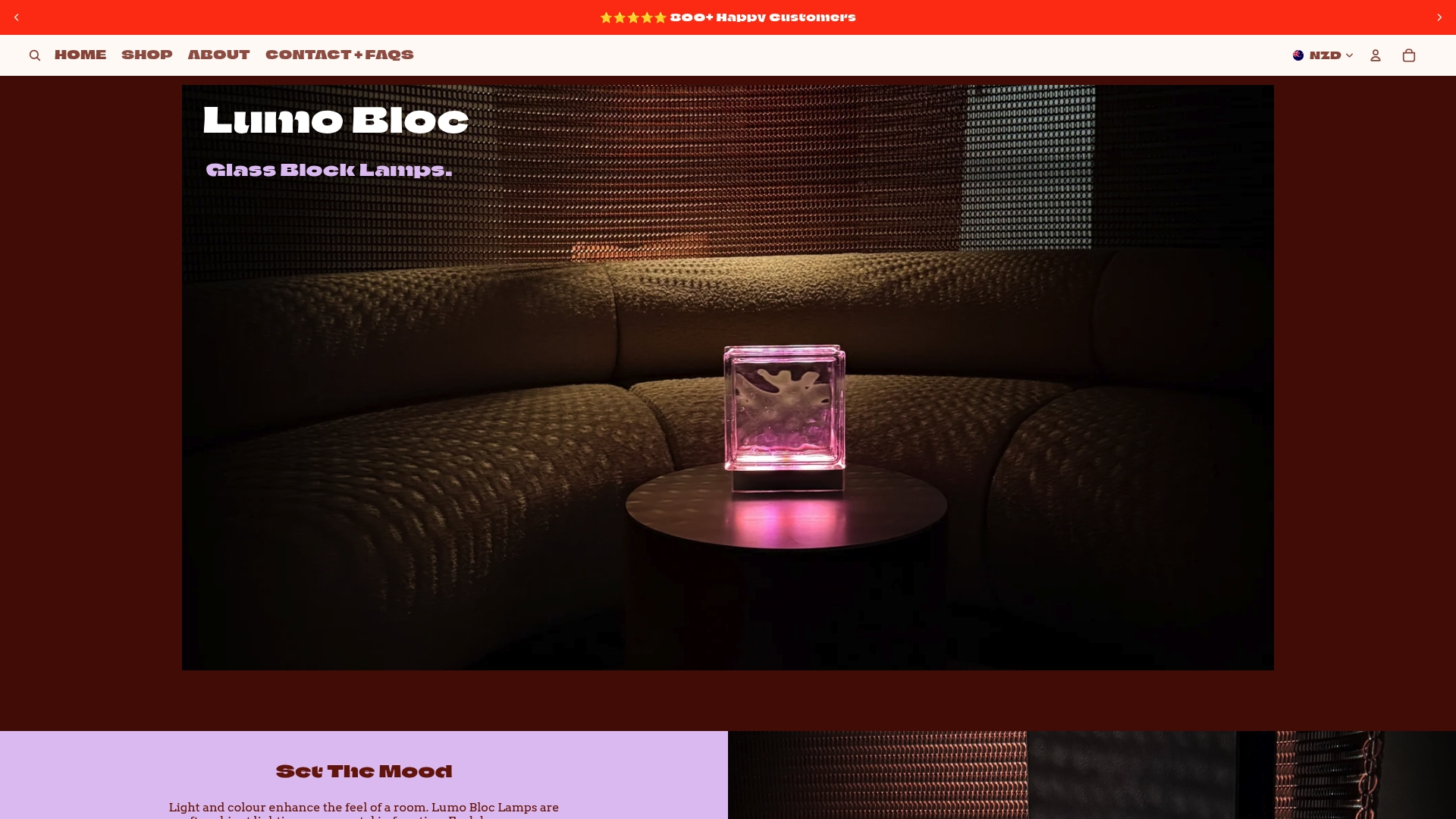
Transform your home or commercial space now with a glass block lamp that stands for quality craftsmanship and eco-friendly innovation. Visit Lumo Bloc to explore customisable options that let you control brightness and colour modes easily. Act today to bring timeless ambience and lower your carbon footprint with lighting that is truly redefined for modern living.
Frequently Asked Questions
What are glass block lamps?
Glass block lamps are lighting fixtures made from glass blocks, which consist of two molded pieces of glass fused together to create a hollow, translucent material. They diffuse light beautifully and can serve as decorative and functional pieces in various interior designs.
How do I maintain a glass block lamp?
Maintaining a glass block lamp is straightforward. Simply wipe it down regularly with a soft cloth to keep it clean and free from dust. This helps retain its aesthetic appeal and ensures optimal light diffusion.
What are the benefits of using LED technology in glass block lamps?
Glass block lamps often utilise LED technology, which is energy-efficient and has a longer lifespan compared to traditional lighting. LED bulbs consume less power, reducing electricity costs, and frequently last decades, making them a sustainable choice for any home or commercial space.
Can glass block lamps be customised?
Yes, glass block lamps can be customised in various ways. You can choose different wooden frame materials, adjust the brightness and colour temperature of the lights, and select sizes that fit the aesthetic of your space, ensuring your lamp reflects your personal style and meets your functional needs.
Recommended
- Wireless Blush Glass Block Lamp - Rechargeable LED Table Lamp | Lumo Bloc – Lumo Bloc Lamps
- Wireless Diamond Glass Block Lamp - Rechargeable LED Table Lamp | Lumo Bloc – Lumo Bloc Lamps
- Wireless Weave Glass Block Lamp - Rechargeable LED Table Lamp | Lumo Bloc – Lumo Bloc Lamps
- Wireless Bolt Glass Block Lamp - Rechargeable LED Table Lamp | Lumo Bloc – Lumo Bloc Lamps