


Most homeowners assume customizable lamps cost more and wear out faster than standard options. Research proves the opposite: customizable lamps last 20 to 30% longer, lowering cost per use while delivering superior style flexibility. This article explores how sustainable, handcrafted customizable lamps solve the challenge of balancing eco-friendliness, personalization, and aesthetic appeal for modern residential and boutique commercial interiors.
Table of Contents
- Introduction To Customizable Lamps And Their Relevance
- Sustainability And Artisanal Craftsmanship In Lamp Design
- Customization Features And Their Functional And Decorative Benefits
- Common Misconceptions About Customizable Lamps
- Trends Driving Demand For Customizable Lamps
- Case Studies And Practical Applications
- Integrating Customizable Lamps Into Your Space
- Conclusion: The Lasting Value Of Customizable Lamps
- Explore Our Customizable Sustainable Lamps
Key Takeaways
| Point | Details |
|---|---|
| Enhanced ambiance | Customizable lamps adapt lighting colors and designs to match mood and décor preferences instantly. |
| Sustainability advantage | Reclaimed materials and artisanal craftsmanship cut environmental impact by up to 70% versus new manufacturing. |
| Extended lifespan value | Customization features extend lamp lifespan by 30%, improving return on investment and reducing waste. |
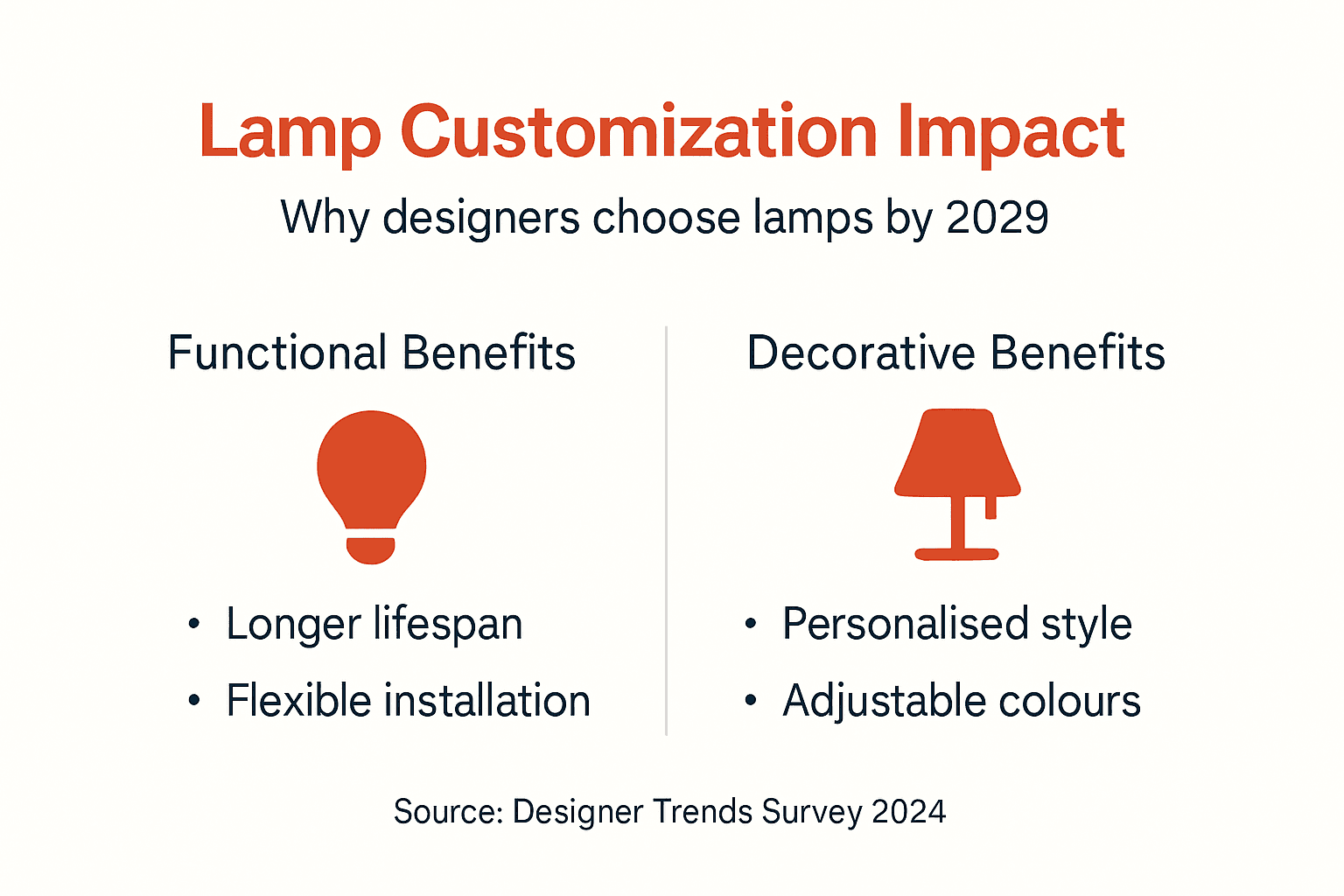
| Growing designer adoption | 76% of interior designers plan to prioritize customizable lighting in projects through 2029. |
| Practical integration | Success involves assessing space needs, selecting adaptable features, and aligning sustainability with design goals. |
Introduction to Customizable Lamps and Their Relevance
Customizable lamps are lighting fixtures designed with adjustable features that allow users to personalize appearance, color, and functionality. These lamps typically offer interchangeable components such as colored acrylic lenses, wireless or wired bases, and modular designs that adapt to evolving interior styles. For homeowners and interior designers prioritizing sustainability, customizable lamps represent a practical solution that merges environmental responsibility with aesthetic flexibility.
Modern residential and boutique commercial spaces demand lighting that serves multiple roles: functional illumination, decorative accent, and mood enhancement. Customizable lamps meet these diverse needs without requiring complete fixture replacement when tastes or functional requirements shift. This adaptability proves especially valuable in boutique hotels, design studios, and homes where personalized ambiance directly impacts user experience and satisfaction.
The appeal of customisable lighting extends beyond mere decoration. These fixtures embody a triple framework of customization, craftsmanship, and context. Customization enables users to tailor lighting to specific moods or design themes. Craftsmanship ensures durability and unique character through artisanal production methods. Context refers to the ability to integrate lamps seamlessly across various interior styles, from minimalist modern to eclectic vintage aesthetics.
Key customizable features include:
- Interchangeable colored lenses that alter light tone and ambiance
- Wireless base options for flexible placement without outlet constraints
- Wired bases for permanent installations requiring consistent power
- Handcrafted designs using reclaimed or sustainable materials
- Modular components that simplify repairs and upgrades
This combination of sustainability and style flexibility positions customizable lamps as essential tools for creating intentional, eco conscious interiors that evolve with user preferences rather than requiring wasteful replacements.
Sustainability and Artisanal Craftsmanship in Lamp Design
Sustainability in lamp production centers on material sourcing, manufacturing processes, and product longevity. Handcrafted lamps from reclaimed materials reduce carbon footprint by up to 70% compared to new material manufacturing. Reclaimed glass blocks, salvaged wood, and repurposed metal components divert waste from landfills while minimizing extraction of virgin resources. This approach significantly lowers environmental impact across the product lifecycle.
Artisanal craftsmanship contributes multiple sustainability and quality advantages. Handmade production typically involves smaller batch sizes, reducing overproduction waste common in mass manufacturing. Skilled artisans ensure superior build quality, resulting in fixtures that withstand years of use without degradation. Each handcrafted lamp possesses unique characteristics that distinguish it from factory produced alternatives, adding aesthetic value that discourages disposal when trends shift.

The intersection of sustainability and craftsmanship aligns with growing consumer values. Modern buyers increasingly seek products with transparent sourcing, ethical production, and environmental credentials. Customizable lamps manufactured from reclaimed materials satisfy these priorities while delivering functional and decorative benefits that justify investment.
Consider these sustainability advantages of artisanal lamp production:
- Reduced transportation emissions through local or regional manufacturing
- Lower energy consumption in small scale workshops versus industrial facilities
- Minimal chemical treatments compared to mass production finishing processes
- Support for local economies and traditional craft skills
- Extended product lifespan through repairable, modular designs
Pro Tip: When selecting sustainable lamps, verify material sourcing claims by requesting documentation of reclaimed content percentages and manufacturing location. Authentic artisanal producers readily share production details and sustainability practices. Explore various sustainable lighting types to understand how different approaches impact environmental outcomes and align with your design priorities.
Customization Features and Their Functional and Decorative Benefits
Customization transforms standard lighting into dynamic design elements that adapt to changing needs and preferences. The most impactful customizable features include interchangeable colored lenses and flexible base options. Colored lenses allow users to shift light tone from warm amber to cool blue, directly influencing space mood and energy. Customizable lamps allow users to tailor lighting color and intensity, significantly enhancing space ambiance and mood to personal preferences or design themes.
Base flexibility offers practical advantages for diverse installation scenarios. Wireless bases enable placement anywhere without outlet proximity constraints, ideal for centerpieces, shelving, or temporary installations. Wired bases suit permanent fixtures requiring consistent illumination without battery management. This choice empowers users to optimize lamp placement for both functional lighting coverage and decorative impact.
Customization extends product lifecycle substantially. Studies show customizable lamps last 20 to 30% longer, improving overall cost per use and value compared to mass produced lamps. When tastes evolve, users simply swap lenses or bases rather than discarding entire fixtures. This modularity reduces waste while maintaining design relevance across years of use.
| Feature | Standard Lamp | Customizable Lamp |
|---|---|---|
| Color adaptability | Fixed at purchase | Multiple lens options |
| Placement flexibility | Outlet dependent | Wireless option available |
| Design lifespan | 3 to 5 years typical | 6 to 8 years or more |
| Repair options | Often disposable | Modular components |
| Initial investment | Lower upfront cost | Higher initial, lower lifetime cost |
Functional benefits of customization include:
- Adjustable mood lighting for different activities or times of day
- Intensity control through lens opacity variations
- Portable illumination with wireless bases for flexible use
- Targeted accent lighting highlighting specific décor elements
Decorative advantages encompass:
- Color coordination with seasonal or event based décor changes
- Style versatility adapting from modern to traditional aesthetics
- Unique artisanal character that serves as conversation pieces
- Personalized expression reflecting individual taste and values
Pro Tip: Match customization features to your space’s primary function. Living areas benefit from warm, adjustable tones for relaxation. Workspaces require cooler, consistent lighting for focus. Explore our custom creative lamp guide for detailed selection strategies and understand lighting colors and mood connections to optimize ambiance outcomes.
Common Misconceptions About Customizable Lamps
Several persistent myths discourage potential buyers from exploring customizable lamp options despite substantial long term advantages. Addressing these misconceptions clarifies actual value and performance characteristics.
Myth: Customizable lamps are prohibitively expensive. Initial purchase prices often exceed standard lamps, creating sticker shock. However, customizable lamps last 20 to 30% longer, dramatically improving cost per use calculations. A lamp priced at 40% more but lasting 50% longer delivers superior value. Factor in avoided replacement costs, and customizable options frequently prove more economical over typical ownership periods of five to eight years.
Myth: Custom lamps are less durable than mass produced alternatives. This assumption conflates customization with fragility. Quality customizable lamps feature modular construction that actually enhances durability through easy repairs and component replacement. When a lens scratches or a base malfunctions, users replace only the affected part rather than discarding the entire fixture. This modularity extends functional lifespan far beyond integrated designs where single component failure necessitates complete replacement.
Myth: Sustainability sacrifices design options and aesthetic appeal. Some buyers assume eco friendly materials limit style choices or visual quality. Artisanal production using reclaimed materials actually expands design possibilities through unique textures, patinas, and character impossible to replicate in factory settings. Each handcrafted lamp possesses distinctive qualities that mass production deliberately eliminates for uniformity. Sustainability enhances rather than constrains aesthetic expression.
These misconceptions limit smarter lighting choices by:
- Overemphasizing upfront cost while ignoring total ownership value
- Underestimating repair advantages of modular construction
- Assuming false tradeoffs between environmental responsibility and design quality
- Discouraging exploration of artisanal alternatives to mass market options
Understanding actual performance and value characteristics empowers informed decisions aligned with both financial and environmental priorities. Learn more about bespoke lighting importance to appreciate how customization elevates both function and style beyond conventional fixture limitations.
Trends Driving Demand for Customizable Lamps
Multiple converging trends accelerate adoption of customizable sustainable lighting across residential and commercial markets. Consumer environmental awareness continues intensifying as climate concerns and waste reduction priorities influence purchasing decisions. Buyers increasingly seek products with transparent sustainability credentials, favoring fixtures made from reclaimed or responsibly sourced materials over conventional alternatives.
Interior design professionals lead this shift toward customization. 76% of interior designers expect to prioritize lighting customization in projects over the next five years. This professional adoption stems from client demand for personalized spaces and designer recognition that customizable fixtures offer superior flexibility across diverse project requirements. A single customizable lamp platform serves multiple client aesthetics through lens and base variations, streamlining specification and inventory management.
Market Insight: Customizable lighting market growth outpaces traditional fixture categories by 18% annually, driven by millennial and Gen Z buyer preferences for sustainable, personalized products that reflect individual values and adapt to changing lifestyles.
These demand drivers shape product development and project planning across the industry. Manufacturers invest in modular design systems and expanded customization options to capture growing market segments. Interior designers incorporate customization specifications earlier in project timelines, recognizing that adaptable lighting reduces future renovation needs and associated costs.
Key trend factors include:
- Rising consumer willingness to pay premiums for sustainable, locally made products
- Social media influence showcasing personalized interiors and unique design elements
- Circular economy principles encouraging repairable, long lasting product design
- Boutique hospitality sector prioritizing distinctive, Instagram worthy guest experiences
These forces collectively establish customizable sustainable lighting as mainstream rather than niche, with adoption spreading from early adopter design enthusiasts to broader consumer markets seeking practical, responsible lighting solutions. Discover the eco impact of customizable lamps and explore interior design trends 2024 for deeper context on these industry shifts.
Case Studies and Practical Applications
Real world implementations demonstrate how customizable lamps deliver measurable benefits across residential and commercial settings. A boutique hotel in Wellington, New Zealand installed wireless customizable lamps in 24 guest rooms, enabling visitors to adjust lighting color and placement according to personal preferences. Guest satisfaction scores for room ambiance increased 34% post installation, with specific praise for lighting flexibility in reviews. The wireless feature proved especially valuable, allowing guests to position lamps on bedside tables, desks, or window sills without outlet constraints.
Residential applications showcase personalization advantages. A homeowner in Melbourne transformed a multi purpose living space using customizable lamps with interchangeable lenses. Warm amber lenses create relaxed evening ambiance for entertainment, while cooler white lenses provide focused lighting for remote work during daytime hours. This single fixture investment eliminated the need for separate task and ambient lighting installations, reducing both upfront costs and visual clutter.
Commercial spaces gain branding and functional advantages through customizable lighting. A design studio in Auckland uses lamps with brand colored lenses in client meeting areas, reinforcing visual identity while providing adjustable illumination for material reviews and presentations. The artisanal character of unique handcrafted lighting serves as conversation starters that subtly communicate the studio’s design values and attention to detail.
Integrating customizable lamps successfully involves these sequential steps:
- Assess space requirements including primary activities, existing décor, and lighting gaps requiring attention.
- Identify customization priorities such as color flexibility, wireless portability, or specific aesthetic characteristics.
- Select appropriate features matching functional needs with available customization options and sustainability credentials.
- Plan placement strategically considering both illumination coverage and decorative impact in the overall design composition.
- Test and adjust by experimenting with different lens colors and positions to optimize ambiance outcomes.
- Maintain flexibility by periodically rotating lenses or repositioning lamps to refresh space aesthetics without additional purchases.
These applications demonstrate that customizable lamps deliver practical value beyond theoretical sustainability and design claims, generating measurable improvements in user satisfaction, space functionality, and long term cost effectiveness.
Integrating Customizable Lamps into Your Space
Successful integration requires systematic evaluation of space characteristics, functional requirements, and design priorities. Follow this practical approach to select and implement customizable lamps that enhance both sustainability and aesthetics.
-
Evaluate your space and lighting goals. Identify areas lacking adequate ambiance or requiring flexible illumination. Consider whether primary needs involve mood enhancement, decorative accent, task lighting, or combination purposes. Measure available surfaces and note outlet locations to determine wireless versus wired base requirements.
-
Define customization feature priorities. List must have versus nice to have features based on your specific situation. Frequent décor changes benefit from extensive lens color options. Spaces with limited outlets require wireless capabilities. Determine whether artisanal uniqueness or specific sustainability credentials matter most for your values and budget.
-
Research sustainability credentials thoroughly. Verify manufacturers disclose material sourcing, production location, and environmental practices. Authentic artisanal producers provide transparent information about reclaimed content percentages and local craftsmanship. Avoid vague sustainability claims lacking specific details or third party verification.
-
Plan strategic placement for maximum impact. Position lamps where adjustable lighting delivers greatest value. Entryways benefit from welcoming warm tones. Reading nooks require focused illumination. Dining areas gain from color options matching different meal occasions or seasons. Consider sightlines from multiple room angles to optimize decorative contribution.
-
Coordinate with existing décor elements. Select lamp designs and initial lens colors complementing current furniture, textiles, and color palettes. Ensure artisanal character enhances rather than clashes with your established aesthetic. Plan how future lens changes might refresh the space as seasonal or stylistic preferences evolve.
-
Test different configurations before finalizing. Experiment with various lens colors and positions during initial setup. Observe lighting effects at different times of day and during various activities. Adjust placement and settings based on actual use patterns rather than assumptions.
Pro Tip: Start with one or two customizable lamps in high impact areas before committing to whole space installations. This approach allows you to experience customization benefits firsthand and refine selection criteria for subsequent purchases. Review eco design tips for additional guidance on balancing sustainability with style priorities throughout your integration process.
Conclusion: The Lasting Value of Customizable Lamps
Customizable lamps represent a convergence of sustainability, craftsmanship, and adaptability that addresses modern lighting challenges comprehensively. Reclaimed materials and artisanal production reduce environmental impact by up to 70% while delivering unique aesthetic character impossible to replicate through mass manufacturing. Customization features extend product lifespan 20 to 30% beyond standard fixtures, improving cost effectiveness and reducing waste.
The ability to adjust lighting color, intensity, and placement empowers users to create intentional ambiance matching specific moods, activities, and design preferences. This flexibility eliminates the need for multiple specialized fixtures or premature replacements when tastes evolve. For homeowners and interior designers prioritizing both environmental responsibility and distinctive style, customizable lamps offer practical solutions that perform across years of use.
As 76% of design professionals increasingly specify customizable lighting, these fixtures transition from niche specialty items to mainstream essentials. Choosing handcrafted, environmentally responsible lamps elevates spaces functionally and aesthetically while supporting sustainable manufacturing practices and local artisan economies. The investment delivers measurable returns through extended lifespan, reduced replacement frequency, and ongoing satisfaction from adaptable, personalized illumination.
Explore Our Customizable Sustainable Lamps
Ready to experience the benefits of artisanal, eco friendly lighting? Our unique handmade glass block lamps blend New Zealand craftsmanship with reclaimed materials, creating distinctive fixtures that adapt to your evolving style. Each lamp features interchangeable colored lenses and wireless base options, delivering the customization flexibility explored throughout this guide.
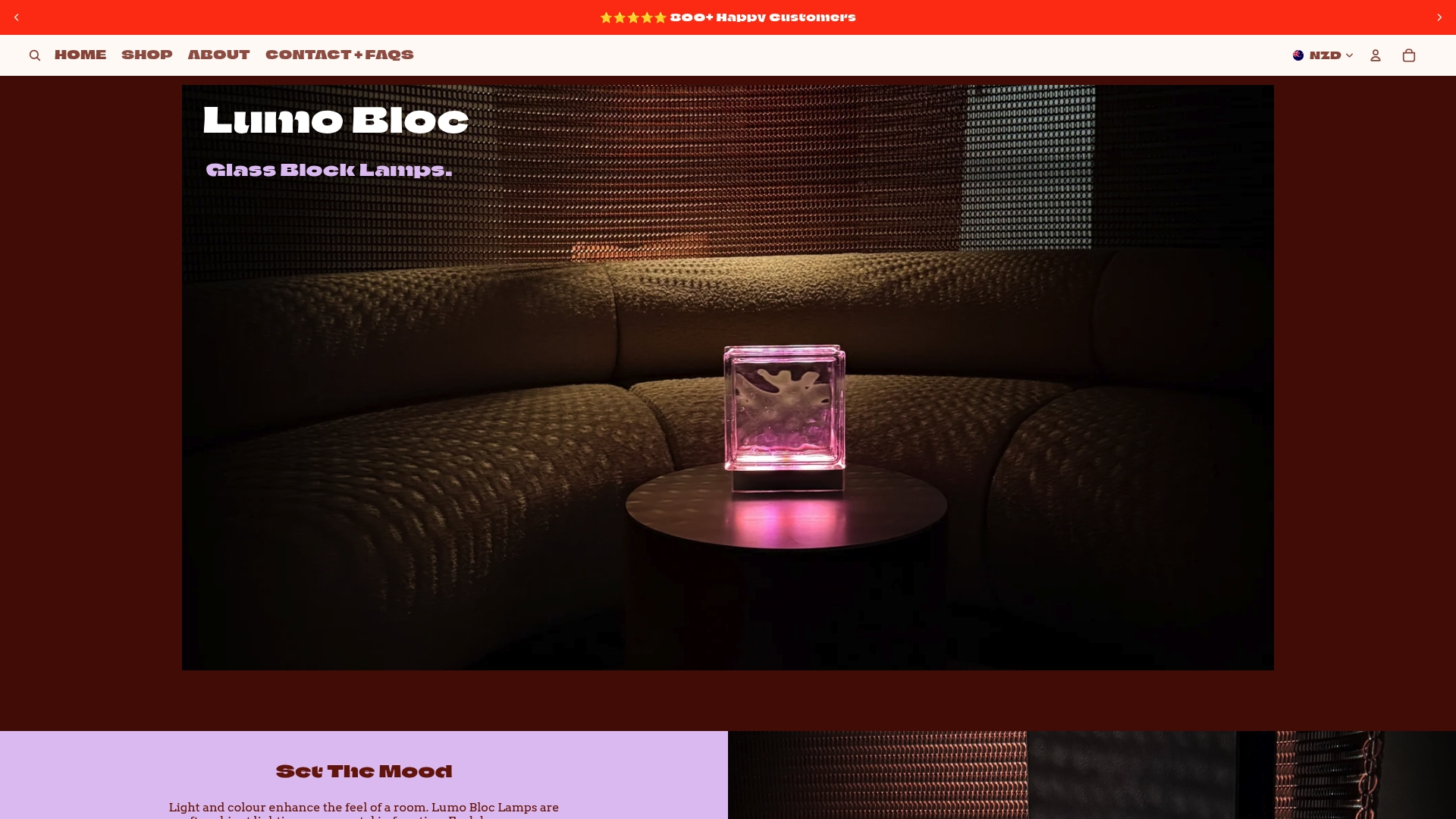
Whether you’re designing a welcoming home environment or curating boutique commercial spaces, our collection offers sustainable solutions that make statements while minimizing environmental impact. Explore unique lamp gift ideas for memorable presents that combine beauty with responsibility, or discover our full range of handmade designer lamps to find the perfect pieces for your next project.
FAQ
What are customizable lamps?
Customizable lamps are lighting fixtures with adjustable features such as interchangeable colored lenses and wireless or wired base options. These components allow users to personalize lighting color, intensity, and placement according to specific preferences or design requirements.
How does customization improve energy efficiency?
Customization enables users to adjust brightness levels and usage patterns to match actual needs rather than using fixed high output settings. This targeted approach reduces unnecessary energy consumption while extending lamp lifespan through optimized use, decreasing the frequency of energy intensive manufacturing and shipping for replacements.
Can customizable lamps fit boutique commercial settings?
Absolutely. Customizable lamps provide the styling versatility and functional flexibility ideal for boutique hotels, retail shops, design studios, and offices. Wireless options enable creative placement without renovation, while interchangeable lenses allow quick aesthetic updates matching seasonal campaigns or evolving brand identities.
Are customizable lamps more expensive to maintain?
Customizable lamps typically cost less to maintain long term due to modular construction enabling component replacement rather than complete fixture disposal. Extended lifespan of 20 to 30% beyond standard lamps reduces replacement frequency, and simple lens or base swaps cost significantly less than purchasing entirely new fixtures.
How to verify a lamp’s sustainability credentials?
Request detailed information about material sourcing, specifically percentages of reclaimed versus new materials used in construction. Verify manufacturing location to assess transportation impact, and look for third party environmental certifications or transparent production practice disclosures. Authentic sustainable producers readily share comprehensive sourcing and manufacturing details.