


When you think of New Zealand craftsmanship, you might picture intricate Māori carvings or traditional woven flax baskets. While these heritage arts remain vital, modern New Zealand craftsmanship extends far beyond cultural preservation. Today’s artisans blend ancestral techniques with contemporary sustainable design, creating bespoke lighting and home decor that honours tradition whilst meeting modern environmental values. This guide explores how New Zealand’s unique craft heritage shapes sustainable, handcrafted lighting solutions that bring authentic artistry into your home.
Table of Contents
- Key takeaways
- The roots of New Zealand craftsmanship: Māori traditions and materials
- Key techniques and expert nuances in New Zealand craftsmanship
- From tradition to sustainability: modern NZ craftsmanship in bespoke lighting and home decor
- Applying New Zealand craftsmanship: choosing unique handcrafted lighting for your home
- Explore unique New Zealand handcrafted lighting at Lumo Bloc
- Frequently asked questions
Key Takeaways
| Point | Details |
|---|---|
| Heritage meets sustainability | New Zealand craftsmanship now blends Māori heritage with contemporary sustainable design to produce lighting and home decor that respects tradition and the environment. |
| Traditional techniques live on | Artisans continue weaving, carving and finishing methods that originated with Māori practice while informing modern decorative lighting and furniture. |
| Local materials shape art | Natural materials such as pounamu, harakeke and rimu define the look and performance of contemporary NZ crafts. |
| Place based lighting | Modern bespoke artisans create lighting that embodies place and traditional craftsmanship while prioritising environmental responsibility. |
The roots of New Zealand craftsmanship: Māori traditions and materials
New Zealand’s craft identity begins with Māori cultural practices developed over centuries. Traditional Māori crafts centre on whakairo (carving), raranga (weaving), and stone or bone work, each carrying deep cultural significance. These practices evolved from Polynesian roots but adapted uniquely to Aotearoa’s environment, focusing on locally available materials rather than pottery or other crafts common elsewhere.
The materials themselves tell stories of place. Pounamu, the prized greenstone found in Te Waipounamu (South Island), becomes taonga (treasures) through skilled carving. Harakeke (New Zealand flax) provides fibres for intricate weaving. Native timbers like rimu, kauri, and tōtara offer warmth and durability for structural and decorative work. Each material demands specific knowledge passed through generations.
Māori designs encode whakapapa (genealogy) and tikanga (customs) within their patterns. A carved lintel tells family history. A woven cloak displays status and connection. This cultural depth distinguishes New Zealand craftsmanship from purely decorative arts. Every curve and line serves purpose beyond aesthetics.
Key traditional crafts include:
- Whakairo: intricate carving in wood, bone, and stone depicting ancestral stories
- Raranga: weaving using harakeke for kete (baskets), whariki (mats), and clothing
- Tāniko: ornamental finger weaving creating geometric patterns and borders
- Tukutuku: lattice panels combining wood and woven patterns for architectural decoration
- Pounamu work: shaping greenstone into tools, weapons, and ornamental pieces
Traditional weaving techniques adapted from Polynesian methods include twining, plaiting, and coiling, each suited to different functional outcomes. Modern artisans continue these methods whilst exploring how they inform sustainable decorative lighting and contemporary home design. The marriage of ancient technique with modern application creates objects that honour heritage whilst serving current needs.
Understanding these foundations helps you recognise authentic New Zealand craftsmanship. Look for natural material choices, evidence of hand techniques, and designs that reference cultural or environmental context rather than generic decoration.
Key techniques and expert nuances in New Zealand craftsmanship
Mastering New Zealand crafts requires understanding both material behaviour and precise technique. Weaving methods include twining (crossing weft strands around warp), plaiting (interlacing strips), and coiling (spiralling bundles bound together). Tāniko decorative twining creates intricate borders with coloured threads. Tukutuku panels combine carved wooden laths with woven patterns, producing architectural elements that filter light beautifully.
Carving demands intimate material knowledge. Artisans use chisels, saws, and point carvers to reveal forms hidden within wood or stone. Each timber species responds differently. Kauri’s straight grain allows fine detail. Rimu’s rich colour deepens with age. Carvers read the material, adjusting technique to work with natural characteristics rather than against them.
Finishing separates adequate work from exceptional pieces. Traditional polishing employs abrasives in progressive grit sizes, starting coarse and moving finer. This patient process creates surfaces that glow with depth, revealing timber’s natural beauty whilst protecting it. Modern artisans might incorporate oil finishes or natural waxes that enhance durability without obscuring the material’s character.
Core technique elements:
- Material selection: choosing pieces with appropriate grain, colour, and structural properties
- Tool mastery: controlling chisels, gouges, and carvers for precise cuts and curves
- Pattern planning: mapping designs that honour cultural meaning and material flow
- Finishing patience: progressing through multiple polishing stages for lasting smoothness
- Structural understanding: ensuring pieces withstand use whilst maintaining aesthetic intent
Pro Tip: When evaluating handcrafted pieces, examine finish quality closely. Run your hand across surfaces. Exceptional craftsmanship feels impossibly smooth, with no tool marks or rough patches. This tactile excellence indicates the maker invested time in proper finishing, suggesting overall quality throughout.
Craftsmanship prioritises understanding material properties and precision over speed. Māori designs encode whakapapa and tikanga, making pattern choice meaningful rather than arbitrary. This philosophical approach influences how contemporary New Zealand artisans approach customisation in lighting design, ensuring each piece reflects both maker skill and cultural context.
The difference shows in longevity. Mass-produced items might look acceptable initially but degrade quickly. Properly crafted pieces improve with age, developing patina and character whilst maintaining structural integrity. This durability makes handcrafted work more sustainable despite higher initial cost.
From tradition to sustainability: modern NZ craftsmanship in bespoke lighting and home decor
Contemporary New Zealand artisans bridge heritage and innovation, creating bespoke pieces that honour traditional methods whilst embracing sustainable materials and modern design sensibilities. Modern craftsmanship fuses Māori designs with Pākehā innovation and DIY experimentation, producing work that feels distinctly Aotearoa whilst serving contemporary lifestyles.
Sustainability drives material choices. Artisans source native timbers like rimu and kauri from reclaimed buildings rather than felling living trees. Wool from New Zealand sheep provides texture and warmth. Bamboo grown locally offers renewable structure. Recycled glass, metal, and building materials gain new life as decorative elements. This resourcefulness echoes traditional practices of using available materials thoughtfully.
Sustainable lighting design particularly benefits from this approach. Fixtures using local renewables like wool and native timber evoke New Zealand’s landscape and cultural identity. Woven shades filter light softly, referencing traditional raranga techniques. Carved timber bases provide weight and presence. Reclaimed glass blocks create ambient illumination whilst diverting waste from landfills.
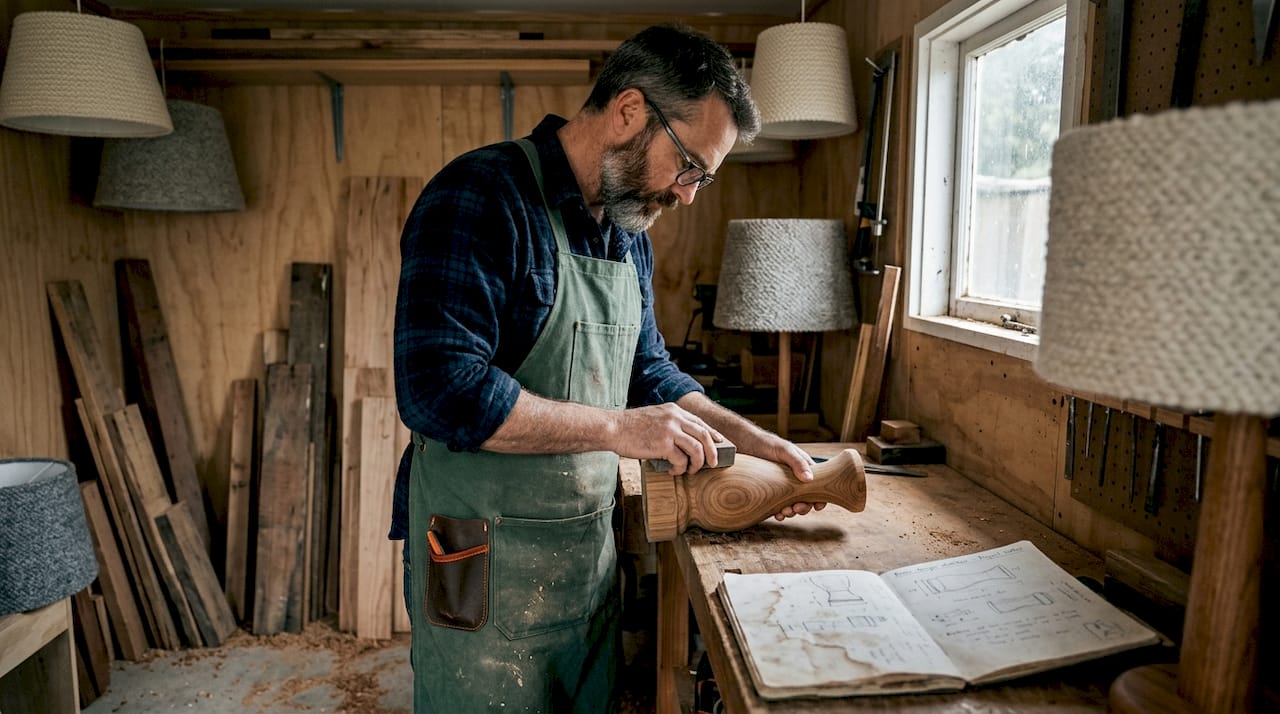
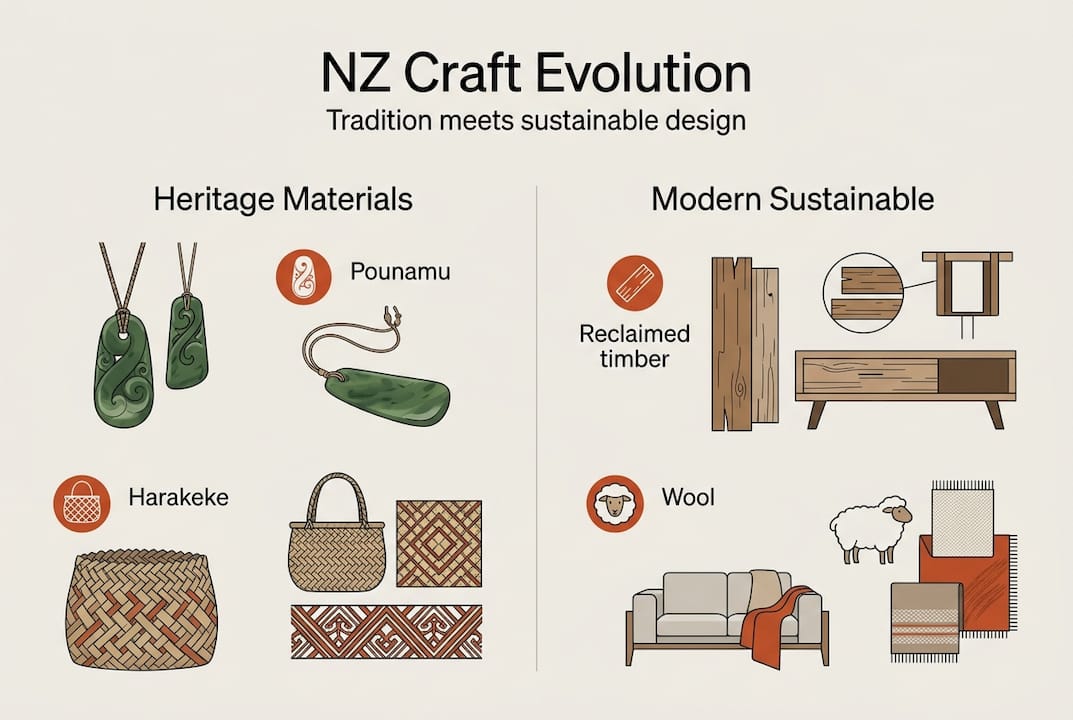
| Aspect | Traditional approach | Modern sustainable approach |
|---|---|---|
| Materials | Fresh-cut native timber, new harakeke | Reclaimed timber, recycled glass, sustainable bamboo |
| Techniques | Hand carving, weaving, polishing | Traditional methods plus modern joinery, LED integration |
| Purpose | Cultural objects, tools, architectural elements | Home decor, bespoke lighting, functional art |
| Design philosophy | Encoding whakapapa and tikanga | Honouring heritage whilst serving contemporary needs |
| Sustainability | Using available resources wisely | Prioritising recycled, local, renewable materials |
Pro Tip: Look for makers who explain material provenance. Artisans committed to sustainability willingly share where timber came from (demolished building, storm-felled tree) or how they source recycled elements. This transparency indicates genuine environmental values rather than greenwashing.
The fusion creates lighting that tells stories. A lamp base carved from 100-year-old rimu salvaged from a demolished villa carries history. Glass blocks reclaimed from mid-century buildings gain new purpose as ambient lighting. These pieces connect you to place and past whilst functioning beautifully in modern homes.
Understanding decorative lighting terminology helps you appreciate these distinctions. Bespoke means custom-made for specific contexts, not merely choosing from preset options. Handcrafted indicates human skill shaped each element, not machine production. Sustainable references material sourcing and longevity, not just aesthetic trends.
This evolution ensures New Zealand craftsmanship remains relevant. Rather than becoming museum pieces, traditional techniques inform contemporary solutions that reduce environmental impact whilst delivering unique beauty. The result feels both timeless and current.
Applying New Zealand craftsmanship: choosing unique handcrafted lighting for your home
Selecting handcrafted lighting requires different criteria than buying mass-produced fixtures. Understanding quality markers helps you invest wisely in pieces that deliver lasting value and authentic artistry.
Evaluating craftsmanship quality:
- Examine material origin and sustainability credentials
- Assess finish quality through touch and close visual inspection
- Look for evidence of hand techniques rather than machine uniformity
- Consider how design references cultural or environmental context
- Evaluate structural integrity and functional performance
- Research the maker’s background and craft philosophy
Sustainable lighting using local renewables and traditional techniques offers several advantages. Materials like wool and native timber naturally evoke New Zealand’s landscape, creating aesthetic coherence. Hand-finishing produces surfaces that improve with age rather than showing wear. Bespoke elements ensure your lighting suits your specific space rather than forcing compromise.
Signs of authentic craftsmanship include:
- Slight variations indicating hand work rather than identical machine production
- Natural material characteristics preserved rather than hidden
- Thoughtful joinery showing structural understanding
- Finishes that enhance rather than obscure material beauty
- Design elements referencing cultural or environmental context
- Maker marks or signatures indicating pride in work
Integrating handcrafted New Zealand lighting works across various home styles. In contemporary minimalist spaces, carved timber or woven pieces add warmth and texture. Traditional homes benefit from fixtures that reference heritage craft. Eclectic interiors welcome the unique character handcrafted pieces provide. The key is choosing lighting that complements your space whilst standing as interesting objects in their own right.
Maintenance considerations matter for longevity. Natural materials need occasional care. Timber benefits from periodic oiling to maintain moisture content and lustre. Woven elements should avoid excessive humidity. Glass requires simple cleaning to maintain clarity. Quality makers provide care instructions, another indicator of commitment to lasting value.
Pro Tip: Ask makers about their process before purchasing. Artisans passionate about craft eagerly explain techniques, material choices, and design decisions. This conversation helps you understand what you’re buying whilst building connection to the maker and their work.
Provenance adds value beyond aesthetics. Knowing your lighting came from a specific demolished building, or incorporates timber from a documented tree, deepens your connection to the piece. This story becomes part of your home’s narrative, making the lighting more meaningful than generic alternatives.
Consider the maker’s broader practice. Artisans committed to sustainability typically demonstrate this across their entire operation, not just material selection. Look for evidence of waste reduction, energy-conscious production, and fair labour practices. Supporting makers with holistic environmental and social values amplifies your positive impact.
Explore lighting tips for sustainable spaces to understand how handcrafted fixtures integrate with broader design strategies. Combining quality bespoke pieces with thoughtful placement and appropriate light sources creates environments that feel both beautiful and responsible. The benefits of custom lighting extend beyond uniqueness to include perfect fit, material choice control, and supporting local artisans.
Ultimately, choosing handcrafted New Zealand lighting means investing in objects that enrich your daily environment whilst supporting sustainable practices and cultural continuity. The higher initial cost distributes across years of use, making quality craft economically sensible alongside its aesthetic and environmental advantages.
Explore unique New Zealand handcrafted lighting at Lumo Bloc
If you’re drawn to the intersection of New Zealand craftsmanship, sustainability, and bespoke design, Lumo Bloc offers lighting solutions that embody these values. Each glass block lamp represents handcrafted quality, using reclaimed building materials to create ambient lighting with genuine character.
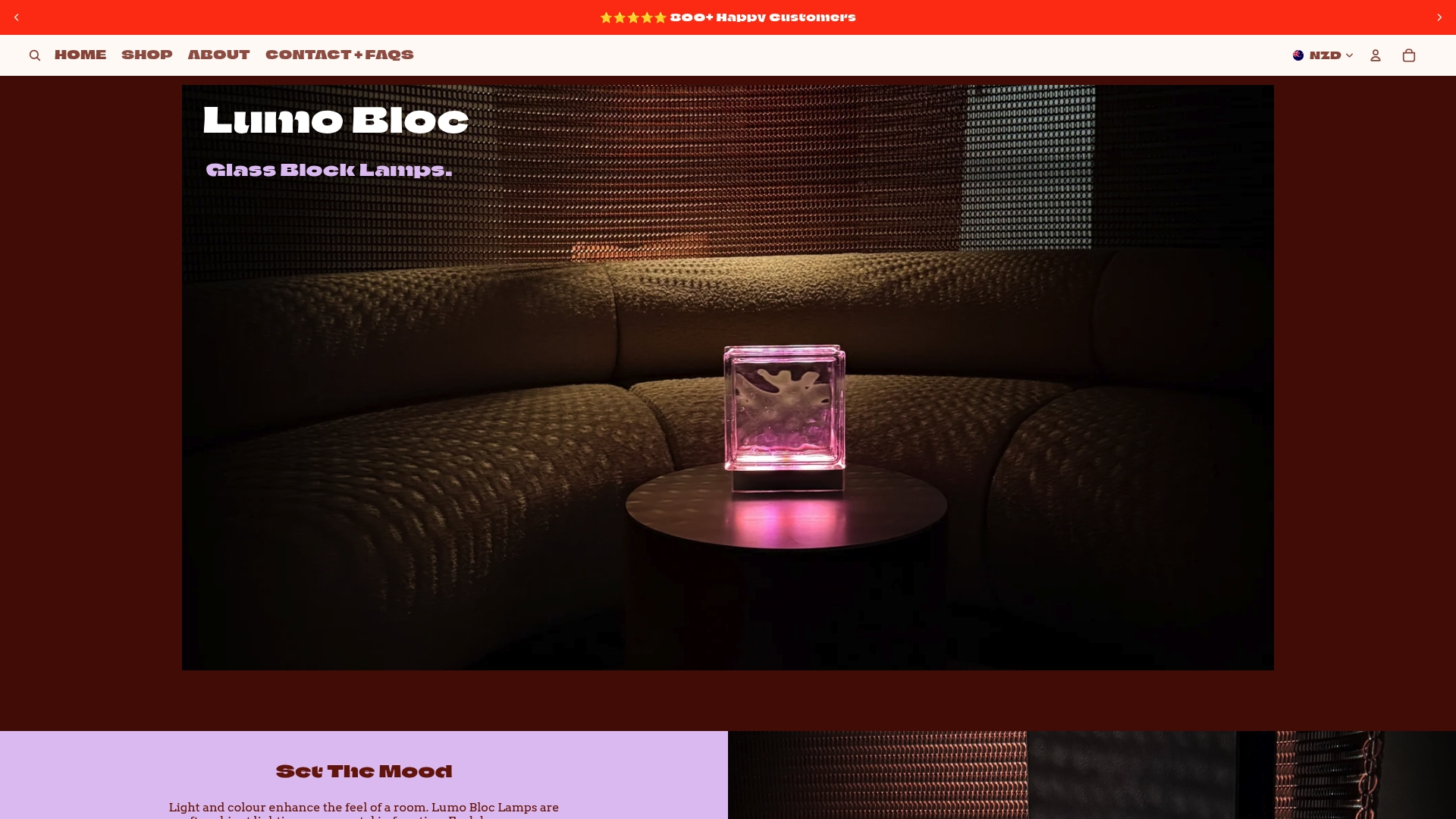
The range includes customisable options with interchangeable coloured lenses and various base configurations, letting you tailor pieces to your specific aesthetic. These unique handmade gifts suit anyone appreciating artisanal quality and sustainable design. Whether you’re seeking glass block lamps for your own space or unique lamp gifts for others, the collection reflects New Zealand’s craft heritage adapted for contemporary living. Each piece carries the story of reclaimed materials given new purpose through skilled handwork.
Frequently asked questions
What materials define New Zealand craftsmanship?
Traditional materials include pounamu (greenstone), harakeke (flax), and native timbers like rimu, kauri, and tōtara. Modern sustainable craftsmanship adds reclaimed timber, recycled glass and metal, locally grown bamboo, and New Zealand wool. Material choice reflects both cultural heritage and environmental responsibility.
How does Māori culture influence NZ crafts?
Māori cultural practices established core techniques like whakairo (carving) and raranga (weaving) that continue shaping contemporary work. Designs encode whakapapa (genealogy) and tikanga (customs), making patterns meaningful rather than purely decorative. This cultural depth distinguishes New Zealand craftsmanship from generic artisan work.
What distinguishes bespoke craftsmanship from mass production?
Bespoke craftsmanship involves custom design for specific contexts, hand techniques creating slight variations between pieces, and material selection based on individual characteristics. Mass production prioritises identical replication, machine efficiency, and generic appeal. Handcrafted pieces improve with age whilst mass-produced items typically degrade.
How sustainable is modern NZ handcrafted lighting?
Modern New Zealand artisans prioritise reclaimed and recycled materials, local sourcing to reduce transport impact, and durable construction ensuring long product life. Traditional techniques require minimal energy compared to industrial manufacturing. The focus on quality over quantity inherently supports sustainability by reducing consumption frequency.
Where can I buy authentic NZ handcrafted lighting?
Seek makers who transparently share material provenance, demonstrate traditional techniques in their process, and show commitment to sustainability beyond marketing claims. Local craft markets, artisan collectives, and specialised retailers like Lumo Bloc offer genuine handcrafted options. Research maker backgrounds to ensure authentic craftsmanship rather than mass-produced items marketed as handmade.
Recommended
- Decorative lighting tips 2026: sustainable stylish spaces – Lumo Bloc Lamps
- Why customisation matters in lighting for unique design – Lumo Bloc Lamps
- How to decorate boutique hotel lobby sustainably in 2026 – Lumo Bloc Lamps
- Step by step lamp design guide for sustainable custom lighting 2026 – Lumo Bloc Lamps