


Creating a sustainable, personalised lamp often feels overwhelming when you want eco-friendly materials and unique design. This guide walks you through every stage, from sourcing reclaimed components to wiring and customisation, so you can confidently craft artisanal lighting that enhances your interior while honouring sustainability. By the end, you’ll have actionable steps to design safe, efficient, beautiful lamps tailored to your space.
Table of Contents
- Introduction To Sustainable Lamp Design
- Prerequisites And Materials Needed
- Step-By-Step Lamp Design And Assembly Process
- Customisation Options And Design Tradeoffs
- Safety Considerations And Common Mistakes
- Expected Results, Timelines, And Outcomes
- Discover Unique Handmade Lamps At Lumo Bloc
- Frequently Asked Questions
Key takeaways
| Point | Details | |-------|---------|| | Sustainable design essentials | Lamp design merges eco-friendly materials, customisation, and artisanal craftsmanship for distinctive, responsible lighting pieces. | | Preparation is critical | Gather tools, sustainable materials, and safety knowledge before starting to ensure smooth assembly and safe outcomes. | | Step-by-step assembly | Follow ordered instructions for wiring, assembly, and customisation to build functional, safe lamps without electrical hazards. | | Customisation tradeoffs | Interchangeable lenses and wireless bases enhance style and flexibility but involve cost, durability, and sustainability considerations. | | Safety and testing | Verify polarity, test wiring, and choose stable bases to prevent common mistakes and guarantee long-lasting, energy-efficient lamps. |
Introduction to sustainable lamp design
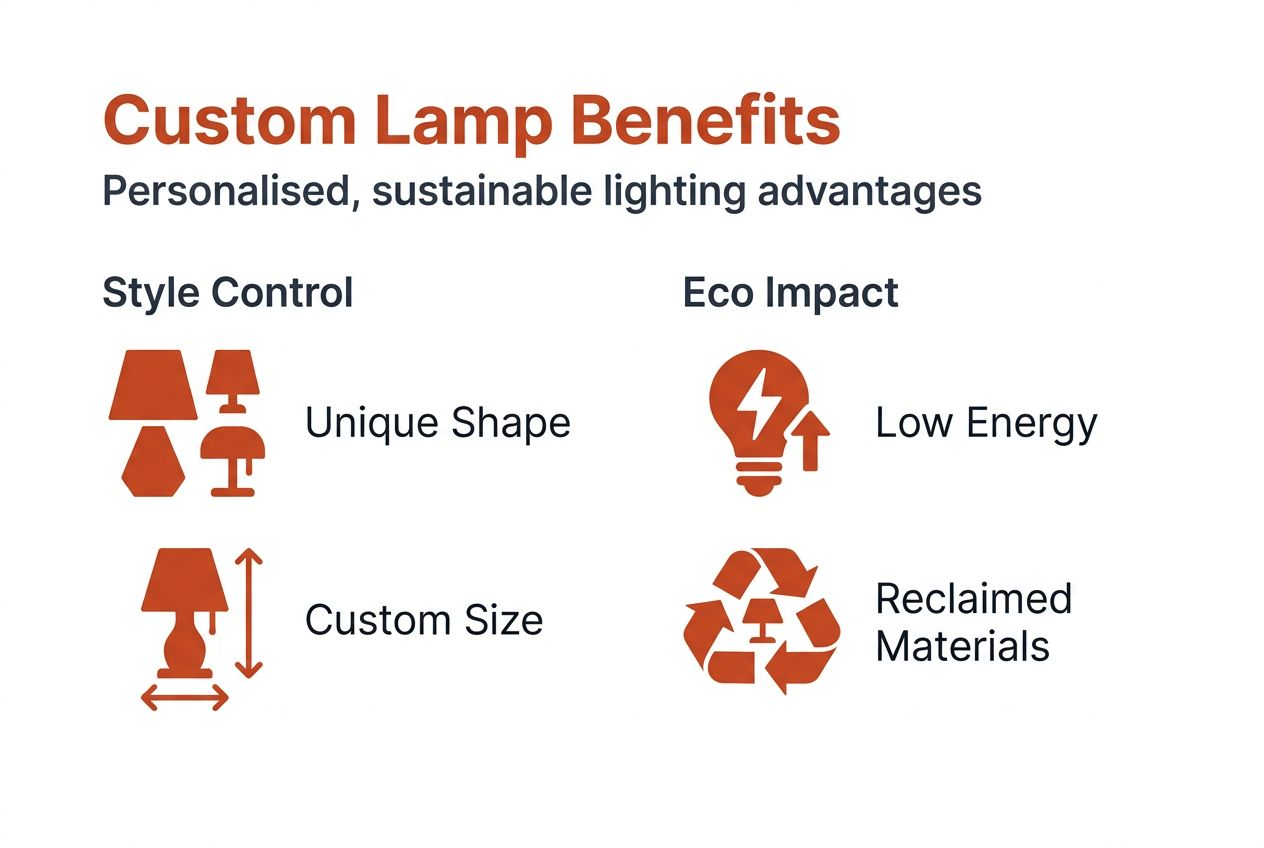
Sustainable lighting design reduces environmental harm by minimising energy consumption and waste. For design-conscious homeowners and small businesses, customisable lamps deliver both functional illumination and aesthetic impact. Artisanal craftsmanship transforms reclaimed materials into unique pieces that reflect personal style while supporting eco-conscious values.
Eco-friendly lamp design matters more than ever in 2026. Consumers increasingly prioritise sustainability alongside beauty and function. Understanding glass block lamps sustainable lighting principles helps you select appropriate materials and techniques that align with environmental responsibility. When you choose reclaimed glass blocks or recycled components, you divert waste from landfills and reduce manufacturing demand.
Bespoke lighting offers distinct advantages over mass-produced alternatives:
- Tailored designs suit specific room dimensions, colour palettes, and functional needs
- Unique pieces become conversation starters and cherished focal points
- Modular construction allows future upgrades without replacing entire fixtures
- Artisanal quality ensures durability and longevity beyond disposable products
Exploring bespoke lighting benefits reveals how custom lamps elevate interior aesthetics. You control every detail, from base materials to shade finish, creating lighting that authentically represents your vision. This level of personalisation is impossible with off-the-shelf options.
Prerequisites and materials needed
Successful lamp building starts with gathering the right components and tools. Core lamp parts include a sturdy base, electrical cord, socket, threaded pipe, switch, energy-efficient bulb, and shade. Each component must meet safety standards and compatibility requirements for reliable function.
Essential tools for assembly:
- Wire strippers for exposing conductor ends cleanly
- Screwdrivers (flathead and Phillips) for securing terminals
- Electrical tester to verify wiring correctness and safety
- Pliers for gripping small components and tightening fittings
- Ruler or tape measure for precise shade and pipe measurements
Sourcing sustainable materials adds environmental value. Reclaimed glass blocks, salvaged timber bases, and vintage electrical components reduce new resource extraction. Visit architectural salvage yards, online marketplaces for second-hand materials, or specialty suppliers offering eco-certified products. Always inspect reclaimed items for damage or wear that could compromise safety.
| Component | Sustainable Option | Considerations |
|---|---|---|
| Base | Reclaimed timber, recycled metal | Ensure stability and weight for lamp size |
| Glass block | Architectural salvage glass | Check for cracks or chips affecting integrity |
| Cord | Fabric-covered recycled copper | Verify insulation quality and length needed |
| Bulb | LED (80% energy reduction) | Confirm socket compatibility and colour temperature |
Workspace setup impacts both safety and efficiency. Choose a well-lit area with adequate ventilation, especially if using adhesives or finishes. Keep flammable materials away from your work surface. Lay down protective covering to prevent scratches or spills. Have a fire extinguisher nearby as a precaution when working with electrical components.
Basic electrical safety knowledge is non-negotiable. Understand wire polarity: hot (typically black or brown), neutral (white or blue), and earth (green or yellow-green). Never work on plugged-in devices. Following decorative home lighting workflow guidelines ensures you approach assembly methodically and safely.
Step-by-step lamp design and assembly process
Defining design goals before starting prevents costly mistakes and material waste. Lighting design begins with goals based on space use, assessing conditions and daylight, then selecting layers and controls. Ask yourself: is this lamp primarily decorative, task-oriented, or ambient? What mood should it create? Which colours and textures suit the room?
Once goals are clear, follow this numbered assembly sequence:
- Prepare the base by drilling a hole for the threaded pipe if needed, ensuring it’s centred and appropriately sized
- Thread the electrical cord through the base hole and up through the pipe, leaving enough slack for connections
- Strip wire ends carefully, exposing about 10mm of conductor without nicking the copper strands
- Connect wires to the socket following polarity: hot to brass terminal, neutral to silver terminal, earth to green screw
- Secure the socket to the threaded pipe by tightening the collar firmly but not over-tightening
- Install the switch along the cord at a convenient height, following manufacturer instructions for wire routing
- Attach the plug, again respecting polarity and ensuring strain relief is properly engaged
- Place the glass block or shade over the socket assembly, checking fit and stability
- Add customisation elements like interchangeable lenses or decorative accents as desired
- Insert the LED bulb and test all functions before final tightening
Pro Tip: Label wires with small pieces of tape during disassembly or initial wiring to avoid confusion when reconnecting components later.
Wiring requires precision and patience. Double-check every connection before proceeding to the next step. Loose terminals cause arcing and fire risk. Crossed polarity prevents proper function and may damage electronic components. Use an electrical tester to verify continuity and correct polarity after completing connections but before plugging in.

Customisation transforms a functional lamp into a personal statement. The custom creative glass block lamp guide explores various approaches to personalisation. Consider adding coloured lenses that slide into grooves for easy swapping. Experiment with different bulb colour temperatures to find the right ambience. Combine materials like timber and metal for textural contrast.
After assembly, conduct thorough testing. Plug into a safety switch-protected outlet. Toggle the switch multiple times, listening for unusual sounds. Check for heat buildup around connections after 15 minutes of operation. Inspect the base for wobbling or instability. Only proceed to final installation once all checks pass successfully. Revisit the decorative home lighting workflow if issues arise during testing.
Customisation options and design tradeoffs
Interchangeable coloured lenses offer remarkable style versatility. Swap warm amber for cool blue depending on season or mood. However, lens material and thickness affect light diffusion quality. Acrylic lenses are lightweight and shatter-resistant but may scratch more easily than glass. Thicker lenses reduce brightness, requiring higher-wattage bulbs that consume more energy.
Wireless bases increase placement flexibility dramatically. Position lamps away from wall sockets, creating focal points in room centres or outdoor patios. Battery-powered options eliminate trip hazards from cords. The tradeoff involves ongoing battery replacement or recharging, adding maintenance tasks and potential costs. Rechargeable batteries degrade over time, eventually requiring replacement themselves.
Modular designs enable component replacement and upgrades, reducing waste and extending lifespan. This modularity is central to sustainable custom lighting. You can upgrade to newer LED technology as it improves without discarding the entire lamp. Damaged shades or bases are individually replaceable. However, modular construction may appear less seamless than permanently assembled designs, and component compatibility must be carefully managed.
| Feature | Advantages | Disadvantages |
|---|---|---|
| Interchangeable lenses | Style flexibility, mood variation | May affect light quality, durability concerns |
| Wireless base | Portability, no cord clutter | Battery management, higher initial cost |
| Fixed shade | Streamlined aesthetic, durability | Limited style updates, full replacement if damaged |
| Modular components | Sustainability, easy repairs | Potential aesthetic compromises, compatibility tracking |
Balancing competing priorities requires honest assessment of your needs. If you redecorate frequently, why designers choose customisable lamps becomes clear: adaptability prevents obsolescence. For permanent installations, prioritise durability and energy efficiency over change flexibility. Budget-conscious builders might select fewer custom features initially, adding them later as funds allow.
Consider sustainability implications of each choice:
- Rechargeable batteries have lower lifetime environmental impact than disposables
- Locally sourced materials reduce transport emissions
- Durable, repairable designs prevent landfill waste
- Energy-efficient LEDs offset slightly higher purchase prices through reduced electricity use
Review tips for energy-efficient interiors to understand how lamp choices integrate into broader home sustainability strategies. Small decisions compound over time, making thoughtful customisation choices genuinely impactful.
Safety considerations and common mistakes
Electrical safety is paramount when building lamps. Always verify correct wire polarity before testing. Hot wires connected to neutral terminals create shock hazards and violate electrical codes. Use grounded three-prong plugs for metal lamp bases to prevent electrocution if internal wiring fails. Never bypass earth connections to fit two-prong outlets.
Stable lamp bases prevent dangerous tip-overs. Calculate the centre of gravity by considering shade weight and height. Wider, heavier bases suit taller lamps. Add weight to hollow bases using sand or steel shot if needed. Test stability by gently pushing the lamp from different angles. If it tips easily, redesign the base or reduce shade height.
Common assembly mistakes include:
- Over-tightening terminals, which damages wire strands and reduces conductivity
- Insufficient wire stripping, leaving insulation inside terminals and causing poor connections
- Forgetting strain relief on cords, allowing tension to pull wires from terminals
- Mismatched bulb wattage exceeding socket ratings, creating fire risk
- Skipping continuity tests, missing short circuits or open connections
Pro Tip: Take photos during disassembly or at each assembly stage so you can reference correct component orientation and wire routing if you get confused.
“Safety testing isn’t optional. A few extra minutes checking connections prevents fires, shocks, and equipment damage that cost far more than the time invested.”
Test switches and wiring thoroughly before final assembly. Incomplete or intermittent connections frustrate users and indicate underlying problems. Toggle switches repeatedly, feeling for smooth, positive action. Inspect solder joints or screw terminals under good lighting, looking for gaps or oxidation. Replace any questionable components rather than hoping they’ll function reliably.
Use only certified electrical components meeting Australian/New Zealand safety standards (AS/NZS certification). Uncertified parts may use substandard materials, incorrect specifications, or poor manufacturing quality. While certified components cost slightly more, they provide essential safety assurance and legal compliance. Check decorative home lighting workflow resources for recommended suppliers.
Measure lampshade fit accurately to prevent both safety and aesthetic issues. Shades sitting too close to bulbs overheat, discolouring materials or creating fire hazards. Shades too far from the socket look unbalanced and provide poor light direction. Allow minimum 50mm clearance between bulb and shade material for incandescent bulbs, less for cool-running LEDs.
Expected results, timelines, and outcomes
Handmade lamp projects take between a few days and two weeks depending on complexity. Simple table lamps with standard components and minimal customisation might be completed in a weekend. Complex designs involving custom bases, multiple wiring circuits, or specialised finishes require longer timelines. Material availability significantly impacts duration. Waiting for reclaimed glass blocks or specialty electrical components can add weeks.
Energy efficiency represents a major benefit of thoughtful lamp design. LED bulbs reduce consumption by up to 80% compared to incandescent and last 10 to 25 times longer. A 10-watt LED produces equivalent light to a 60-watt incandescent, saving 50 watts continuously. Over a lamp’s lifetime, this prevents hundreds of dollars in electricity costs and reduces carbon emissions substantially.
| Outcome Measure | Typical Result | Factors Affecting Result |
|---|---|---|
| Project duration | 2 days to 2 weeks | Complexity, material availability, experience level |
| Energy savings | 75-80% vs incandescent | LED quality, usage hours, dimming capability |
| Cost vs commercial | 30-50% savings possible | Material sourcing, customisation extent, labour value |
| Lifespan | 10-20+ years | Component quality, maintenance, usage intensity |
Cost considerations balance material expenses against long-term value. Sustainable materials like reclaimed timber may cost more initially but offer unique character impossible to replicate. High-quality electrical components prevent premature failures and safety issues. While handmade lamps require time investment, they deliver personalisation and satisfaction unavailable from mass-produced alternatives.
Successful lamps exhibit several key characteristics. They feel stable and well-balanced when placed on surfaces. Electrical operation is smooth and reliable without flickering or buzzing. Light distribution suits the intended purpose, whether focused task lighting or diffused ambience. Aesthetic integration with the room feels natural rather than forced. Sustainable materials and energy-efficient bulbs align with environmental values.
Understanding glass block lamps sustainable lighting principles helps set realistic expectations. Handcrafted pieces embrace slight variations and imperfections that reflect artisanal processes. This character distinguishes custom work from factory uniformity. Embrace these unique qualities rather than seeking machine-perfect consistency.
Discover unique handmade lamps at Lumo Bloc
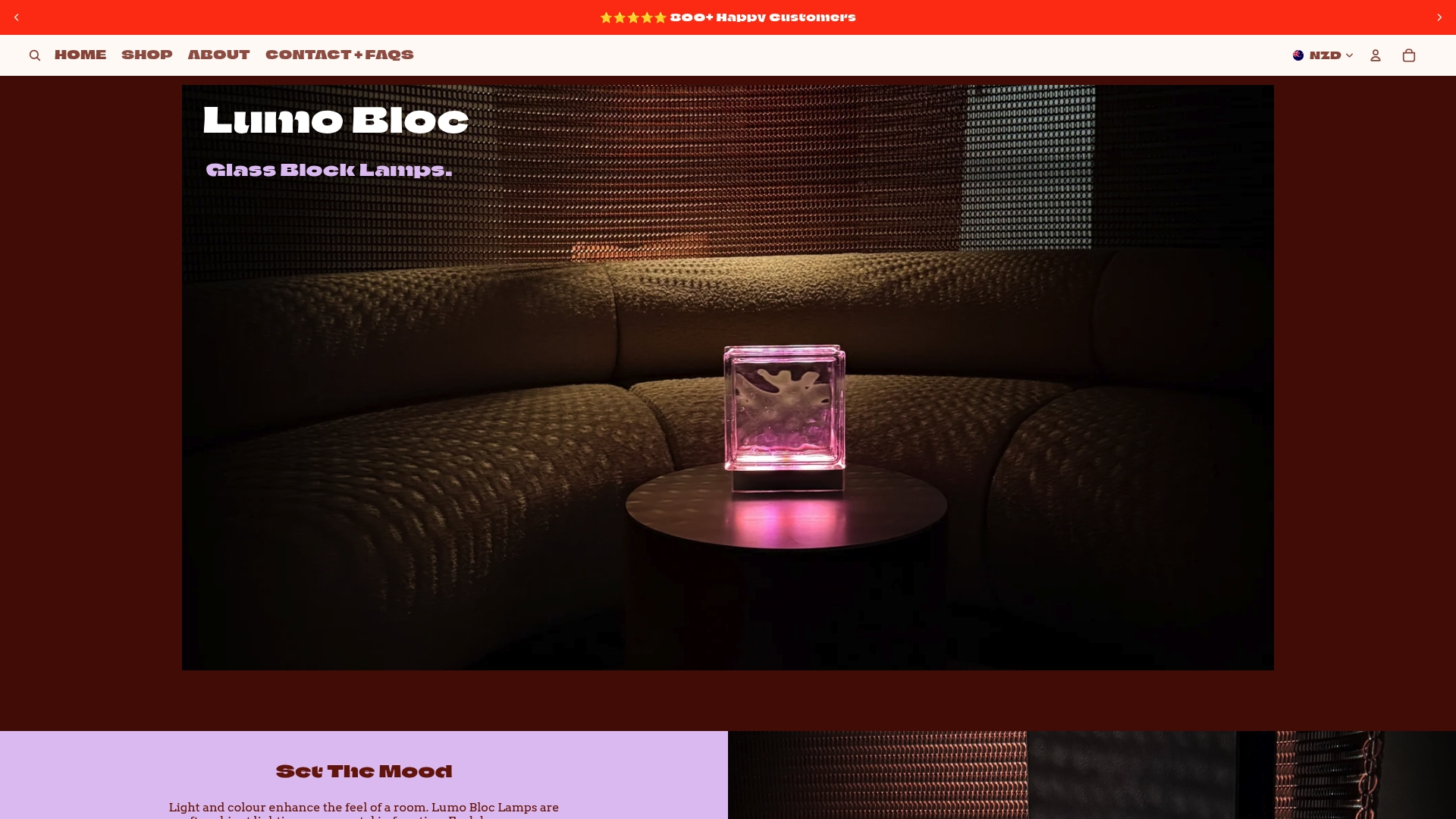
If designing your own lamp feels ambitious, or you want professional inspiration before starting, explore Lumo Bloc’s curated collection of handcrafted glass block lamps. Each piece combines sustainable reclaimed materials with New Zealand artisanal craftsmanship, delivering the unique aesthetic and environmental responsibility you’re seeking. The range includes both wired and wireless options with interchangeable coloured lenses for ultimate versatility.
Browse the unique lamp gift selection for ready-made sustainable lighting perfect for homes or small businesses. Looking for something special? The unique gift ideas page showcases distinctive options that demonstrate thoughtful design values. Complement your custom or purchased lamps with lamp accessories that enhance functionality and style while supporting the same eco-conscious principles guiding your own creations.
Frequently asked questions
How do I ensure my lamp design is safe to use?
Use only certified electrical components meeting AS/NZS safety standards for Australian compliance. Verify wire polarity carefully, connecting hot to brass terminals and neutral to silver, with proper earth connections on metal bases. Test all wiring with an electrical tester before plugging in, checking for continuity and correct polarity. Conduct functional checks by toggling switches multiple times and inspecting connections after 15 minutes of operation for heat buildup.
What customisation options work best for small business ambient lighting?
Wireless bases offer exceptional placement flexibility without unsightly cords running across floors or walls, particularly valuable in customer-facing spaces. Coloured interchangeable lenses let you adjust ambience for different times of day or seasonal promotions, creating mood alignment with your brand identity. Modular designs support easy maintenance and upgrades, minimising downtime when components need servicing or replacement in busy commercial environments.
How long should I expect to spend making a lamp from start to finish?
Typical timelines range from two days for simple designs to two weeks for complex custom projects. Material gathering and preparation consume significant time initially, but speed up subsequent builds as you establish supplier relationships. Complex customisation like hand-finishing timber bases or creating custom wiring layouts extends duration. Planning thoroughly before starting and having all materials ready dramatically reduces overall project time.
Can I use reclaimed materials safely in lamp construction?
Reclaimed materials offer wonderful sustainability benefits but require careful inspection. Check glass blocks for cracks, chips, or internal stress fractures that compromise structural integrity. Test vintage electrical components with meters to verify they still function correctly and meet safety standards. Clean all reclaimed materials thoroughly to remove contaminants. When in doubt, use reclaimed items for non-electrical decorative elements and new certified components for wiring and sockets.
What is the most important factor in sustainable lamp design?
Energy efficiency through LED bulb selection delivers the greatest environmental impact, reducing consumption by 75 to 80% over the lamp’s lifetime. Material sourcing follows closely, with reclaimed and locally sourced components minimising manufacturing emissions and waste. Durability and repairability ensure lamps remain functional for decades rather than becoming disposable. Balancing all three factors creates genuinely sustainable lighting that serves both aesthetic and environmental goals effectively.