


You’ve probably heard the term reclaimed glass lighting tossed around in design circles, but what does it actually mean? Many people confuse it with standard recycled glass or think it’s just a trendy buzzword. In reality, reclaimed glass lighting represents a distinct approach to sustainable design that transforms salvaged materials into functional art. This article will clarify exactly what reclaimed glass lighting is, explore its environmental and aesthetic benefits, compare it with other eco-friendly options, and show you how to incorporate these unique fixtures into your space with confidence.
Table of Contents
- Key takeaways
- What is reclaimed glass lighting?
- Design and aesthetic benefits of reclaimed glass lighting
- Sustainability and environmental impact of reclaimed glass lighting
- Comparing reclaimed glass lighting with other sustainable lighting options
- How to incorporate reclaimed glass lighting in your space
- Explore unique reclaimed glass lighting options with Lumo Bloc
- Frequently asked questions
Key Takeaways
| Point | Details |
|---|---|
| What reclaimed glass is | Reclaimed glass lighting uses salvaged glass repurposed into fixtures, reducing waste and avoiding virgin glass production. |
| Material origins | Materials come from demolished buildings, factory offcuts and vintage glass, giving each piece distinctive character. |
| Light diffusion traits | Imperfect salvaged glass creates varied colour, texture and light patterns that add warmth and atmosphere. |
| Environmental edge | It avoids virgin material extraction and high temperature melting, lowering emissions compared with new glass fixtures. |
What is reclaimed glass lighting?
Reclaimed glass lighting refers to fixtures created from glass that has been salvaged and repurposed rather than manufactured from raw materials. Reclaimed glass lighting involves reusing glass sourced from demolished buildings, old bottles, or scrap to create new lighting fixtures. This approach transforms materials that would otherwise end up in landfills into functional, decorative pieces that serve as both illumination and art.
The source materials for reclaimed glass lighting vary widely, each bringing distinct character to the finished product. Common sources include:
- Demolished glass blocks from vintage buildings and renovations
- Factory offcuts and production scrap from glass manufacturing facilities
- Vintage glass pieces salvaged from old windows, bottles, or architectural elements
- Broken or imperfect glass products rejected during quality control processes
The processing of reclaimed glass into lighting components intentionally preserves the material’s history and character. Unlike new glass production, which aims for uniformity and perfection, reclaimed glass retains subtle variations in thickness, colour depth, and surface texture. These imperfections become design features rather than flaws, creating one-of-a-kind pieces that tell a story through their weathered appearance and unique light refraction patterns.
The key difference between reclaimed glass lighting and conventional glass fixtures lies in both aesthetics and environmental impact. New glass lighting typically features consistent clarity, uniform thickness, and predictable light transmission. Reclaimed glass, by contrast, offers varied opacity, organic texture variations, and distinctive visual depth that creates more complex, layered illumination. The ecological footprint differs dramatically too, with reclaimed glass requiring no virgin material extraction or high-temperature melting processes.
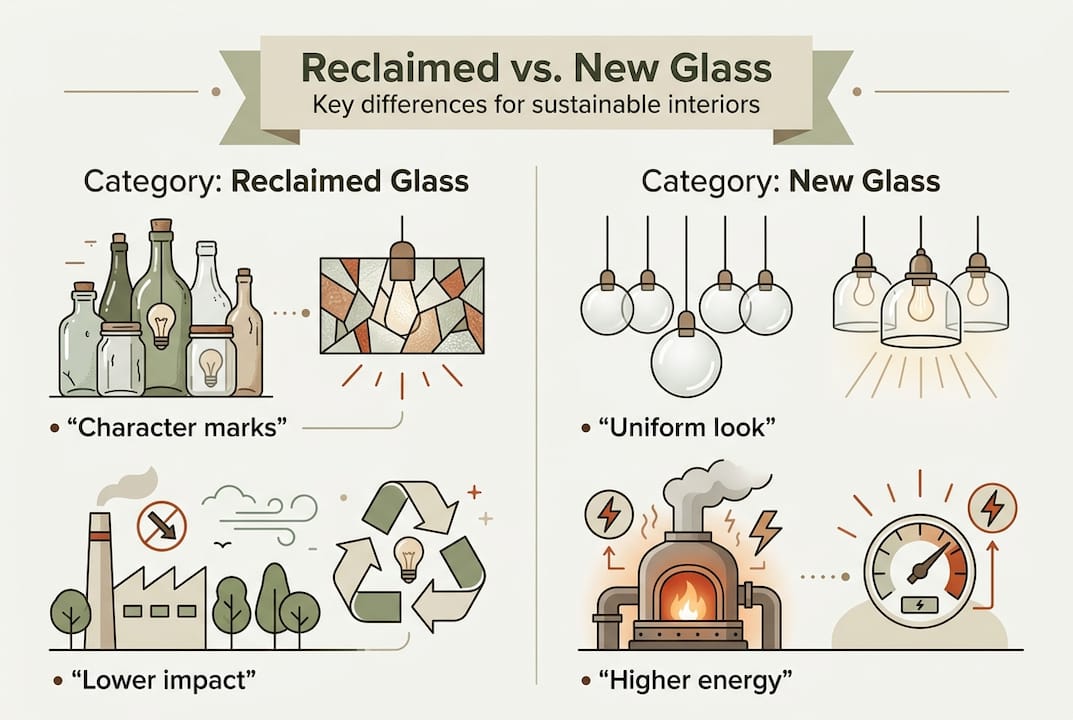
This approach aligns with the broader sustainable design movement that values sustainable lighting types and circular economy principles. Rather than treating glass as a disposable material, reclaimed glass lighting recognises its potential for continued use and transformation. The result is lighting that serves dual purposes: reducing environmental impact while delivering authentic, characterful design that mass-produced fixtures cannot replicate.
Design and aesthetic benefits of reclaimed glass lighting
The visual appeal of reclaimed glass lighting extends far beyond its sustainability credentials. The natural imperfections inherent in salvaged glass create distinctive light diffusion patterns that new glass simply cannot match. Small bubbles, subtle colour variations, and weathered surfaces scatter light in unpredictable ways, producing ambient illumination with depth and character. This organic light quality adds warmth and visual interest to spaces, transforming ordinary rooms into environments with genuine atmosphere.
Reclaimed glass lighting offers unique textures and colours that new glass often lacks, creating standout decorative elements. The colour palette available in reclaimed glass spans from clear and frosted to amber, green, and blue tones, depending on the original glass source. Vintage glass blocks often carry a subtle green or blue tint from their iron content, while factory offcuts might feature intentional colour treatments that have aged beautifully over time. This variety allows designers to select pieces that complement or contrast with existing colour schemes.
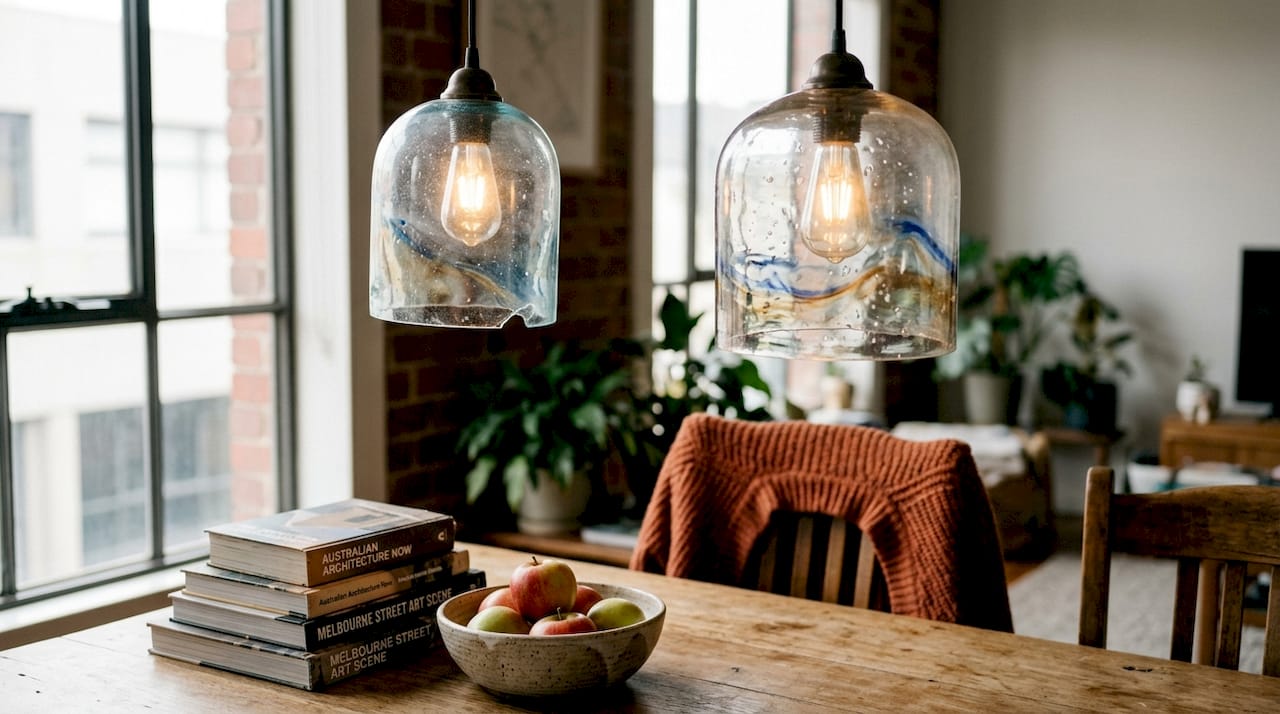
The versatility of reclaimed glass lighting makes it suitable for diverse interior styles. In rustic settings, the weathered quality of salvaged glass enhances the lived-in, authentic feel. Industrial spaces benefit from the raw, honest materiality that echoes factory heritage. Modern interiors gain unexpected warmth and texture from reclaimed glass fixtures, preventing spaces from feeling sterile or overly polished. The key lies in thoughtful selection and placement that respects both the material’s character and the room’s overall design language.
Craftsmanship plays a crucial role in transforming reclaimed glass into lighting art. Artisans must carefully assess each piece of salvaged glass, working with its existing shape, thickness, and condition rather than forcing it into predetermined moulds. This responsive approach to making creates fixtures that honour the material’s history while reimagining its purpose. The result is lighting that carries both aesthetic appeal and narrative depth, pieces that invite closer inspection and conversation.
Pro Tip: When selecting reclaimed glass lighting, balance sustainability with design harmony by considering how the fixture’s texture and colour will interact with your existing lighting design tips. Avoid overusing heavily textured pieces in small spaces, as this can create visual chaos rather than interest.
Sustainability and environmental impact of reclaimed glass lighting
The environmental advantages of reclaimed glass lighting become clear when you examine the production process for new glass. Manufacturing glass from raw materials requires heating silica sand, soda ash, and limestone to approximately 1,700 degrees Celsius. This energy-intensive process generates substantial carbon emissions and consumes significant natural resources. Using reclaimed glass in lighting reduces landfill waste and requires less energy than producing new glass products, offering measurable environmental benefits.
Reclaimed glass lighting diverts materials from waste streams, extending the useful life of glass that would otherwise occupy landfill space indefinitely. Glass does not biodegrade, so every piece salvaged and repurposed represents permanent waste prevention. This waste diversion carries particular significance in regions where landfill capacity faces pressure or where glass recycling infrastructure remains limited.
The energy and carbon footprint comparison between reclaimed and new glass reveals striking differences:
| Production aspect | Reclaimed glass lighting | New glass lighting |
|---|---|---|
| Energy consumption | 30-40% of new production | 100% baseline |
| Carbon emissions | Reduced by 50-60% | Full production emissions |
| Raw material extraction | None required | Mining, transport, processing |
| Water usage | Minimal for cleaning | Significant for processing |
| Waste generation | Diverts existing waste | Creates production waste |
These figures demonstrate that choosing reclaimed glass lighting delivers tangible environmental benefits beyond symbolic gestures. The cumulative impact of selecting salvaged materials over new production contributes to reduced industrial energy demand and lower greenhouse gas emissions.
Reclaimed glass lighting also supports circular economy principles by keeping materials in productive use rather than treating them as disposable. This approach challenges the linear take-make-waste model that dominates conventional manufacturing. By valuing existing materials and extending their functional life, reclaimed glass lighting demonstrates how design can align with ecological responsibility without sacrificing quality or aesthetics.
Pro Tip: Verify the authenticity of reclaimed glass claims by asking suppliers about material sources and processing methods. Genuine reclaimed glass lighting should come with information about the glass’s origin and the manufacturer’s approach to eco-friendly home décor ideas, ensuring your purchase delivers real environmental benefits.
Comparing reclaimed glass lighting with other sustainable lighting options
The sustainable lighting market offers multiple eco-friendly options beyond reclaimed glass, each with distinct characteristics and trade-offs. Understanding how reclaimed glass lighting compares with alternatives helps you make informed decisions that align with your priorities for sustainability, aesthetics, cost, and functionality.
Common sustainable lighting options include LED technology focused on energy efficiency, bamboo fixtures emphasising renewable materials, recycled plastic designs addressing waste streams, and reclaimed glass pieces combining salvaged materials with artisan craftsmanship. Reclaimed glass lighting offers a distinct blend of sustainability and visual appeal compared to LEDs, bamboo fixtures, and recycled plastics.
This comparison table clarifies the key differences:
| Factor | Reclaimed glass | LED technology | Bamboo fixtures | Recycled plastic |
|---|---|---|---|---|
| Sustainability | High (waste diversion) | High (energy efficiency) | Moderate (renewable) | High (waste reduction) |
| Aesthetic appeal | Unique, artisan quality | Variable, often modern | Natural, warm tones | Limited by material |
| Cost range | Moderate to high | Low to moderate | Moderate | Low to moderate |
| Durability | Excellent (glass longevity) | Excellent (LED lifespan) | Good (requires care) | Variable (quality dependent) |
| Maintenance needs | Low (periodic cleaning) | Very low | Moderate (moisture sensitive) | Low |
| Customisation | High (artisan options) | Moderate | Limited | Limited |
Reclaimed glass lighting excels in delivering distinctive visual character that mass-produced alternatives struggle to match. The inherent variations in salvaged glass create fixtures that function as decorative elements in their own right, not merely functional light sources. This aesthetic strength makes reclaimed glass particularly valuable for spaces where lighting serves as a design focal point.
However, reclaimed glass lighting does carry limitations worth considering. The material’s weight exceeds that of bamboo or plastic alternatives, potentially requiring stronger mounting hardware. Availability can be less predictable than manufactured options, as reclaimed glass supply depends on salvage sources. Cost typically sits higher than basic sustainable alternatives, reflecting the labour-intensive nature of sourcing, processing, and crafting salvaged materials into finished fixtures.
When choosing between sustainable lighting options, consider these factors:
- Primary goal: energy efficiency (LED), waste reduction (reclaimed glass or recycled plastic), or renewable materials (bamboo)
- Design priority: unique character (reclaimed glass) versus consistent appearance (manufactured options)
- Budget constraints: initial investment versus long-term value and durability
- Space requirements: weight considerations and mounting capabilities
- Maintenance capacity: time available for care and cleaning
For many homeowners and designers, the ideal approach combines multiple sustainable lighting strategies. You might use energy-efficient LED bulbs within reclaimed glass fixtures, achieving both operational efficiency and material sustainability. This layered approach to decorative lighting 2026 maximises environmental benefits while maintaining design flexibility.
How to incorporate reclaimed glass lighting in your space
Successfully integrating reclaimed glass lighting requires thoughtful planning that considers both aesthetic goals and practical requirements. This step-by-step approach ensures your reclaimed glass fixtures enhance your space effectively:
- Assess your space and identify lighting needs, considering both functional illumination and decorative impact
- Evaluate existing design elements to determine which reclaimed glass styles will complement rather than clash with current aesthetics
- Select fixtures that match the scale of your space, avoiding oversized pieces in small rooms or undersized fixtures in large areas
- Plan placement strategically, positioning reclaimed glass lighting where its unique light diffusion will create maximum visual interest
- Consider electrical requirements and mounting capabilities, ensuring your space can safely support the fixture’s weight
- Install fixtures at appropriate heights, typically 75-85 centimetres above surfaces for table lamps and 200-215 centimetres for pendant lights
- Test lighting effects before finalising placement, as reclaimed glass creates unpredictable light patterns that may require adjustment
Proper placement and styling of reclaimed glass lighting enhances ambiance and highlights its unique qualities. In living spaces, position reclaimed glass lamps where their textured light can create atmosphere without causing glare. Dining areas benefit from pendant fixtures that cast interesting shadows and become conversation pieces. Bedrooms suit softer reclaimed glass lighting that provides ambient illumination without harsh brightness.
Maintaining reclaimed glass lighting preserves both its appearance and longevity. Clean fixtures every two to three months using a soft cloth and gentle glass cleaner, avoiding abrasive materials that could scratch weathered surfaces. Dust accumulation affects light quality, so regular light dusting between deep cleans maintains optimal illumination. For fixtures with intricate textures, use a soft brush to remove dust from crevices without damaging the glass.
Customisable reclaimed glass lamps offer particular advantages for personalised design. Many artisan makers provide options for base finishes, lens colours, and bulb types that allow you to tailor fixtures to your specific aesthetic preferences. This customisable lighting eco impact approach ensures your sustainable choice also meets your design requirements precisely.
Blending reclaimed glass lighting with existing décor requires balance and restraint. In minimalist spaces, a single statement reclaimed glass fixture can provide texture and interest without overwhelming clean lines. Traditional interiors benefit from reclaimed glass pieces that echo vintage aesthetics while introducing sustainable materials. Contemporary spaces gain character from the contrast between sleek furnishings and the organic quality of salvaged glass.
When shopping for reclaimed glass lighting, prioritise makers who demonstrate genuine commitment to sustainable craftsmanship. Look for transparency about material sources, ethical labour practices, and production methods that minimise waste. Quality reclaimed glass lighting should feel substantial, show evidence of careful finishing, and come with clear information about the glass’s origin and the making process.
Explore unique reclaimed glass lighting options with Lumo Bloc
If you’re ready to bring the distinctive character of reclaimed glass lighting into your space, Lumo Bloc offers handcrafted lamps that embody sustainable design principles. Each piece in their glass block lamp collection transforms salvaged glass blocks into functional art, combining New Zealand craftsmanship with eco-conscious materials.
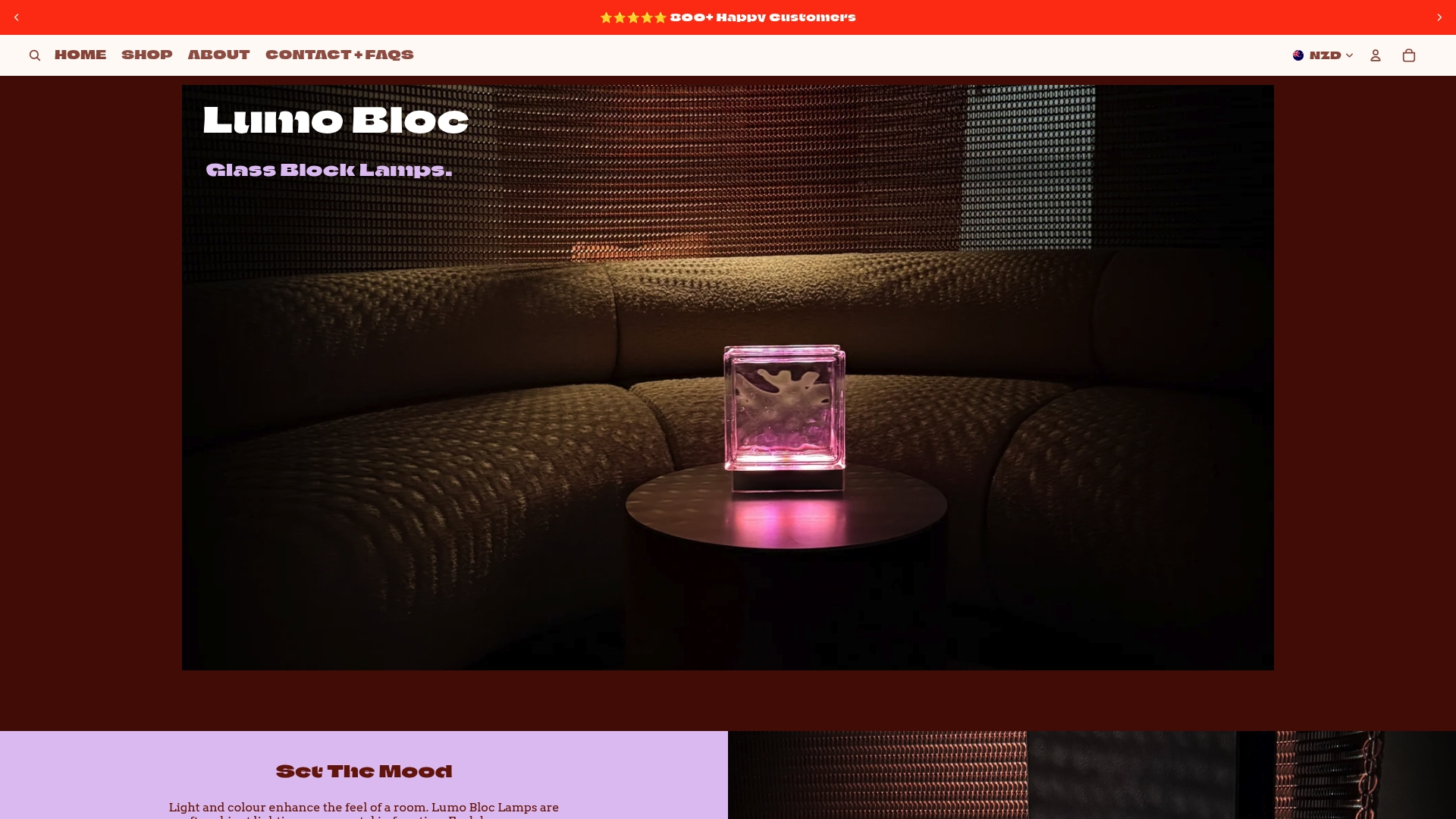
These customisable lamps feature interchangeable coloured acrylic lenses and flexible base options, allowing you to tailor each fixture to your space. Whether you’re seeking ambient mood lighting or a statement decorative piece, their range demonstrates how reclaimed materials can deliver both sustainability and style. Explore their unique gift ideas for distinctive pieces that make memorable presents, or browse their handmade designer lamps to discover how reclaimed glass lighting can transform your interior.
Frequently asked questions
What is reclaimed glass lighting made from?
Reclaimed glass lighting is crafted from salvaged glass sourced from demolished buildings, vintage architectural elements, factory production offcuts, or rejected glass products. The glass is carefully cleaned and processed while intentionally preserving its unique textures, colour variations, and surface imperfections. These characteristics give each piece distinctive light diffusion properties that new glass cannot replicate.
How does reclaimed glass lighting benefit the environment?
Reclaimed glass lighting diverts waste from landfills by repurposing materials that would otherwise remain there indefinitely, as glass does not biodegrade. The production process requires 30-40% less energy than manufacturing new glass from raw materials, resulting in 50-60% lower carbon emissions. This approach supports circular economy principles by keeping materials in productive use rather than treating them as disposable.
Is reclaimed glass lighting suitable for all interior styles?
Reclaimed glass lighting works particularly well in rustic, industrial, and modern interiors where its textured quality adds visual interest and authentic character. The weathered appearance and organic light diffusion suit spaces that value handcrafted elements and material honesty. In minimalist or classic styles, reclaimed glass fixtures require more thoughtful placement to ensure their distinctive character complements rather than overwhelms the overall design aesthetic.
How do I maintain reclaimed glass lighting?
Clean reclaimed glass fixtures every two to three months using a soft cloth and non-abrasive glass cleaner specifically formulated for delicate surfaces. Avoid harsh chemical cleaners that could damage the weathered glass or alter its appearance. Dust regularly with a soft brush or cloth to maintain optimal light quality, paying particular attention to textured areas where dust accumulates in crevices.