


Choosing decorative lighting can be overwhelming, especially when balancing style, sustainability, and customisation in your New Zealand home. You want fixtures that enhance mood and function while honouring eco-values and supporting local craftsmanship. This guide cuts through the noise, covering ambient, task, accent, and artisanal decorative lighting options. You’ll discover sustainable materials, customisation features, and practical differences between wired and wireless solutions for 2026.
Table of Contents
- Selection Criteria For Decorative Lighting
- Ambient Decorative Lighting: Setting The Mood
- Task Decorative Lighting: Enhancing Functionality
- Accent Decorative Lighting: Emphasising Details
- Decorative Lighting: Artisanal And Sustainable Options
- Customisation And Installation: Wired Vs Wireless Options
- Energy Efficiency: Sustainable Lighting Choices
- Summary Comparison: Choosing Lighting Types For Different Needs
- Considerations: Cost And Accessibility
- Situational Recommendations: Choosing The Right Lighting For Your Home
- Explore Unique Sustainable Lighting Solutions At Lumo Bloc
- Frequently Asked Questions
Key takeaways
| Point | Details |
|---|---|
| Lighting types serve distinct roles | Ambient sets mood, task supports activities, accent highlights features, and artisanal adds unique eco-value. |
| Sustainability matters | Reclaimed materials and LED technology reduce environmental impact while supporting New Zealand artisans. |
| Customisation boosts satisfaction | Interchangeable lenses, colours, and modes personalise lighting to match your lifestyle and preferences. |
| Installation flexibility varies | Wireless options suit renters and flexible spaces, while wired fixtures integrate seamlessly into permanent designs. |
| Layered lighting optimises spaces | Combining ambient, task, and accent lighting creates balanced, functional, and beautiful home environments. |
Selection criteria for decorative lighting
Before diving into specific lighting types, you need clear criteria to guide your choices. Prioritising the right factors ensures your investment delivers beauty, function, and eco-value.
Start with sustainable lighting types that use reclaimed wood, glass, and metals. These materials reduce waste and environmental footprint while adding character. Artisanal craftsmanship from New Zealand makers supports the local economy and guarantees unique pieces you won’t find in mass-market stores.
Customisation transforms standard lighting into personal expressions. Look for interchangeable coloured lenses, adjustable brightness modes, and flexible base options. These features let you adapt lighting to changing moods and seasonal décor.
Energy efficiency matters for your wallet and the planet. LED technology dramatically cuts power consumption compared to outdated incandescent bulbs. Match lighting style and intensity to room function, whether you need soft ambience in bedrooms or bright task lighting in home offices.
Pro Tip: Before purchasing, measure your room dimensions and identify which activities happen where. This prevents buying fixtures that are too bright, too dim, or poorly positioned for your actual needs.
Essential selection factors:
- Eco-friendly materials like reclaimed glass and sustainable timber
- Local artisanal craftsmanship ensuring quality and uniqueness
- Customisation options for colours, lenses, and brightness
- LED technology for energy savings and longevity
- Room-specific suitability matching function and aesthetics
Ambient decorative lighting: setting the mood
Ambient lighting forms the foundation of your home’s illumination, providing uniform light that sets overall mood and comfort. Think of it as the canvas on which other lighting types add detail.
This category includes chandeliers, pendant lights, and ceiling-mounted fixtures that distribute light evenly across rooms. Ambient lighting provides uniform light levels between 100 and 300 lux, creating comfortable brightness without harsh shadows. These fixtures work beautifully in living rooms, bedrooms, and dining areas where you gather and relax.
Modern ambient options focus on LED technology for dramatic energy savings. You’ll reduce electricity bills while maintaining warm, inviting atmospheres. Glass block lamps with soft diffusion create particularly appealing ambient light, combining artisanal aesthetics with functional illumination.
The key is choosing fixtures that complement your ceiling height and room proportions. Oversized chandeliers overwhelm small spaces, while tiny pendants disappear in expansive areas. Consider dimmable options to adjust brightness throughout the day, transitioning from energising morning light to relaxing evening glow.
Ambient lighting characteristics:
- Provides general, even illumination across entire rooms
- Typically delivers 100 to 300 lux brightness levels
- Creates foundational mood and visual comfort
- Best suited for living areas, bedrooms, and communal spaces
- LED versions offer significant energy and cost savings
Task decorative lighting: enhancing functionality
Task lighting brings focused brightness exactly where you need it for reading, cooking, crafting, or working. It complements ambient lighting benefits by adding targeted illumination that prevents eye strain and boosts productivity.
This category covers adjustable desk lamps, under-cabinet kitchen lighting, and reading floor lamps. Task lighting offers focused illumination of 300 to 500 lux ideal for detailed work. The higher brightness ensures you see clearly without shadows obscuring your workspace or page.
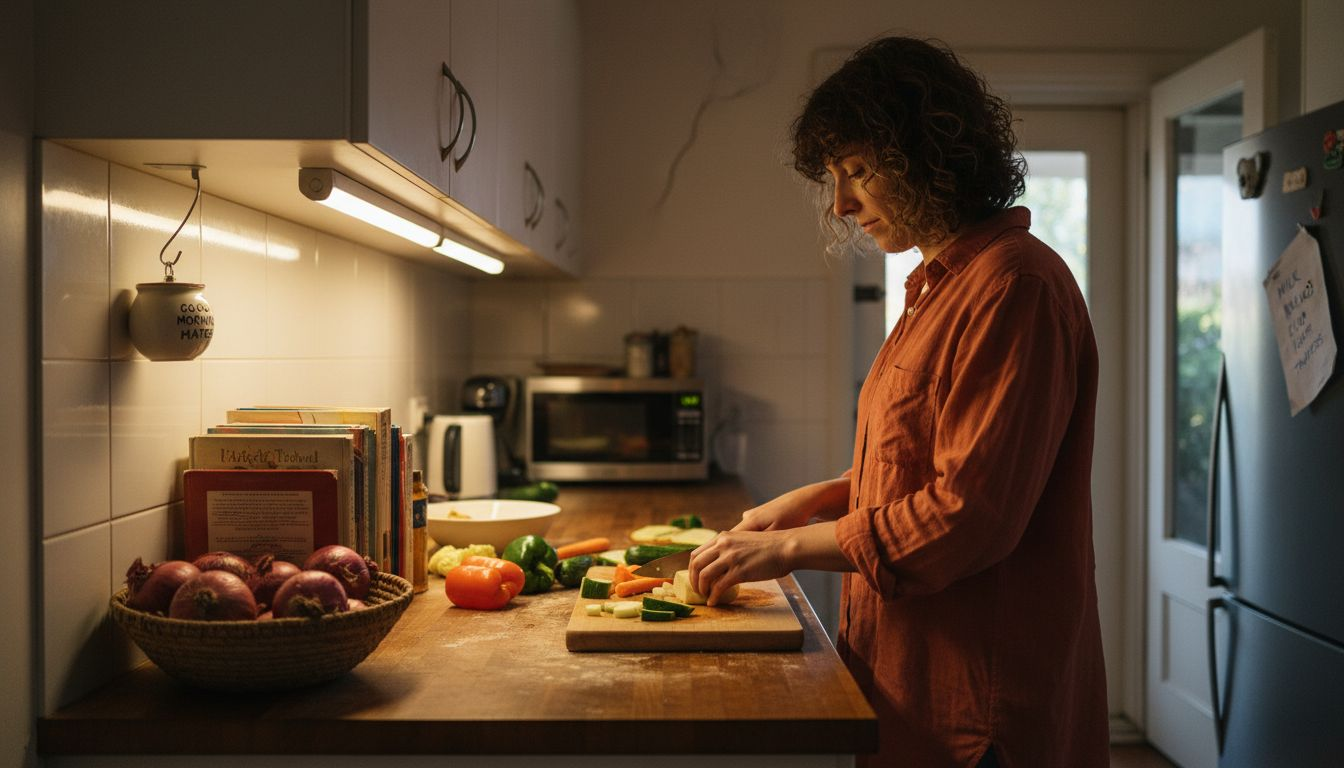
Personalisation shines in task lighting. Adjustable arms, swivel heads, and dimming controls let you direct light precisely where needed. Many artisanal task lamps incorporate reclaimed materials and customisable features, merging function with sustainable style. LED technology again proves essential, delivering bright light while consuming minimal wattage.
Position task lamps to avoid glare on screens or reflective surfaces. Side lighting often works better than overhead for desk work, while under-cabinet strips eliminate shadows on kitchen countertops. The right task lighting transforms challenging activities into comfortable, efficient experiences.
Pro Tip: Choose task lamps with colour temperature options. Cooler white light (4000 to 5000K) enhances focus during work hours, while warmer tones (2700 to 3000K) suit evening reading and relaxation.
Task lighting essentials:
- Delivers 300 to 500 lux for detailed activities
- Includes desk lamps, floor lamps, and under-cabinet fixtures
- Features adjustable positioning and brightness controls
- Supports reading, cooking, crafting, and computer work
- LED options reduce energy use while providing ample brightness
Accent decorative lighting: emphasising details
Accent lighting adds drama and depth by highlighting architectural features, artwork, or decorative elements you want visitors to notice. It creates visual interest and guides eyes through your space.
Spotlights, wall sconces, and LED strips comprise this category. Accent lighting provides 2 to 3 times the brightness of ambient lighting to create focal points and contrasts. This intensity difference draws attention exactly where you intend, whether illuminating a painting, sculpture, or textured wall.
The artistry lies in strategic placement. Too many accent lights create visual chaos, while too few leave spaces feeling flat. Start with one or two key features per room, then assess whether additional highlights enhance or distract. Accent and sustainable lighting options increasingly use LED technology, combining dramatic effect with eco-responsibility.
Customisable accent lamps with interchangeable coloured lenses let you shift moods seasonally or for special occasions. Warm amber lenses create cosy autumn vibes, while cool blues evoke summer freshness. This flexibility maximises value from single fixtures.
Accent lighting comparison:
| Feature | Spotlights | Wall sconces | LED strips |
|---|---|---|---|
| Best use | Artwork, plants | Architectural details | Under cabinets, shelves |
| Installation | Ceiling or track mounted | Wall-mounted | Adhesive or channel |
| Brightness control | Often dimmable | Fixed or dimmable | Typically dimmable |
| Energy efficiency | LED versions excellent | LED versions excellent | Inherently LED |
Accent lighting applications:
- Highlights artwork, sculptures, and collectibles
- Emphasises architectural features like alcoves or beams
- Creates depth through strategic light and shadow
- Typically 2 to 3 times brighter than ambient lighting
- LED options combine drama with sustainability
Decorative lighting: artisanal and sustainable options
Artisanal decorative lighting represents the intersection of sustainability, craftsmanship, and personalisation. These handcrafted pieces transform functional lighting into artistic statements while supporting environmental and economic values.
Artisan-crafted lamps using sustainable materials reduce environmental impact by approximately 40% compared to mass-produced alternatives. New Zealand makers utilise reclaimed glass blocks, salvaged timber, and recycled metals, giving discarded materials beautiful new purpose. Each lamp carries a unique story and character impossible to replicate in factory production.
Customisation reaches its peak in artisanal sustainable lighting. Interchangeable coloured acrylic lenses let you switch between warm amber, cool blue, vibrant red, or soft green to match moods and occasions. Choose between wired bases for permanent installations or wireless rechargeable options for portability. Some artisans offer bespoke sizing and material selections, creating truly one-of-a-kind pieces.
Supporting local makers strengthens New Zealand’s creative economy while ensuring quality craftsmanship. You’re investing in pieces built to last, not disposable commodities destined for landfills. The higher price point reflects genuine materials, skilled labour, and sustainable practices.
Pro Tip: Request details about the materials’ origins and the maker’s process. Authentic artisans gladly share stories about reclaimed glass sources or timber salvage, adding meaning and connection to your purchase.
Artisanal lighting features:
- Constructed from reclaimed glass, sustainable timber, and recycled metals
- Handcrafted by New Zealand artisans ensuring uniqueness
- Customisable with interchangeable lenses and base options
- Available in wireless rechargeable or wired configurations
- Reduces environmental impact by approximately 40% versus mass production
Customisation and installation: wired vs wireless options
Choosing between wired and wireless decorative lighting significantly impacts installation ease, flexibility, and long-term satisfaction. Each approach offers distinct advantages depending on your living situation and design goals.
Wireless lamps revolutionise installation simplicity. Wireless lamps reduce installation time by up to 70% while customisation increases user satisfaction by 30%. You simply position them wherever needed, charge via USB, and enjoy freedom to rearrange without electrician costs or wall damage. Perfect for renters who can’t modify fixed wiring or homeowners who frequently refresh décor.
Wired options integrate seamlessly into permanent designs, eliminating battery concerns and ensuring consistent performance. They suit spaces where lighting positions remain stable, like dining room pendants or bedroom reading lamps. Professional installation provides polished aesthetics with hidden cables and secure mounting.
Customisation extends beyond installation method. Interchangeable coloured lenses, adjustable brightness levels, and variable colour temperatures let you fine-tune lighting to specific activities and preferences. This personalisation transforms generic illumination into responsive tools that adapt to your rhythms and needs.
Wired vs wireless comparison:
| Aspect | Wireless | Wired |
|---|---|---|
| Installation time | 70% faster, no electrician needed | Requires professional installation |
| Flexibility | Easily relocated and rearranged | Fixed position |
| Power source | Rechargeable battery (USB) | Mains electricity |
| Best for | Renters, flexible spaces | Permanent fixtures, high-use areas |
| Maintenance | Periodic charging required | Minimal, continuous power |
Installation considerations:
- Wired versus wireless lighting suits different lifestyles and tenure situations
- Wireless options ideal for rentals and frequent décor changes
- Wired fixtures provide seamless integration for permanent installations
- Customisation features enhance satisfaction and usability
Energy efficiency: sustainable lighting choices
Energy efficiency directly impacts your electricity bills and environmental footprint. Choosing modern lighting technology delivers substantial savings while supporting New Zealand’s sustainability commitments.
LED lighting reduces energy use by up to 85% compared to incandescent bulbs, significantly lowering electricity costs and environmental impact. A traditional 60-watt incandescent bulb converts most energy into heat, not light. LED equivalents produce the same brightness using just 8 to 10 watts, slashing consumption and reducing heat buildup in rooms.
Longer lamp life compounds these benefits. Quality LED fixtures last 25,000 to 50,000 hours versus 1,000 hours for incandescent bulbs. You’ll replace bulbs far less frequently, reducing waste and ongoing costs. This durability particularly suits hard-to-reach fixtures like ceiling pendants or high wall sconces.
LED energy savings align perfectly with artisanal decorative lighting. Many New Zealand makers integrate LED technology into handcrafted designs, merging sustainability throughout the product lifecycle. You gain eco-benefits from both reclaimed materials and efficient operation.
Calculate potential savings by comparing fixture wattage and usage hours. A lamp used 5 hours daily at 10 watts (LED) versus 60 watts (incandescent) saves approximately 91 kWh annually. At typical New Zealand electricity rates, that’s meaningful money returned to your pocket while reducing carbon emissions.
Energy efficiency benefits:
- LED technology cuts energy consumption by up to 85%
- Longer lifespans reduce replacement frequency and waste
- Lower wattage decreases electricity bills substantially
- Reduced heat output improves comfort in warmer months
- Supports New Zealand’s environmental sustainability goals
Summary comparison: choosing lighting types for different needs
Layered lighting combining ambient, task, accent, and artisanal elements creates the most functional and beautiful home environments. Understanding each type’s strengths helps you design balanced schemes.
Ambient lighting establishes foundational mood and general visibility. Task lighting adds focused brightness for specific activities. Accent lighting creates visual interest by highlighting features. Artisanal pieces contribute unique style, sustainability, and customisation. Combining these types addresses all functional and aesthetic needs simultaneously.
Consider room purpose when selecting combinations. Living rooms benefit from ambient pendants or chandeliers, accent sconces highlighting artwork, and task floor lamps beside reading chairs. Home offices need strong task lighting at desks, supplemented by softer ambient background light. Bedrooms pair ambient ceiling fixtures with bedside task lamps and optional accent lighting for decorative elements.
Personal priorities guide final choices. Eco-conscious homeowners emphasise artisanal pieces with reclaimed materials. Renters favour wireless flexibility. Décor enthusiasts seek customisable options with interchangeable features. Lighting types comparison reveals no single perfect solution, only optimal matches for individual circumstances.
Lighting types summary:
| Type | Primary function | Typical brightness | Best applications | Key benefit |
|---|---|---|---|---|
| Ambient | General illumination | 100 to 300 lux | Living rooms, bedrooms | Sets overall mood |
| Task | Focused work light | 300 to 500 lux | Desks, kitchens, reading areas | Supports detailed activities |
| Accent | Highlights features | 2 to 3x ambient | Artwork, architecture | Adds visual drama |
| Artisanal | Unique decorative | Varies | Any room needing character | Sustainability and customisation |
Considerations: cost and accessibility
Artisanal decorative lighting represents significant investment, with prices reflecting genuine craftsmanship, sustainable materials, and customisation options. Understanding typical costs helps set realistic expectations.
Quality handcrafted lamps in New Zealand typically range from NZD 250 to 600 per piece. This pricing reflects hours of skilled labour, reclaimed material sourcing, and small-batch production. Customisation adds value through interchangeable lenses, bespoke sizing, or special material requests, potentially increasing costs but delivering pieces perfectly suited to your vision.
Availability centres on local artisan workshops and specialised e-commerce platforms rather than mainstream retailers. This limited distribution ensures authenticity but requires more deliberate searching. Supporting these makers strengthens New Zealand’s creative economy and guarantees pieces with genuine provenance and story.
Compare artisanal costs against mass-produced alternatives by considering longevity, uniqueness, and environmental impact. A NZD 400 handcrafted lamp using reclaimed materials and lasting decades represents better value than a NZD 100 factory piece requiring replacement within years and contributing to landfill waste. Artisan lamp pricing and availability reflects true cost of sustainable, ethical production.
Cost and accessibility factors:
- Artisanal lamps typically cost NZD 250 to 600
- Prices reflect quality materials, skilled craftsmanship, and sustainability
- Customisation options add value but increase investment
- Available primarily through local makers and specialised online platforms
- Higher upfront cost offset by longevity and environmental benefits
Situational recommendations: choosing the right lighting for your home
Your specific circumstances dictate optimal lighting choices. These scenario-based recommendations help match fixtures to lifestyles and priorities.
-
Renters and temporary living situations: Choose wireless decorative lamps with rechargeable batteries for maximum flexibility. You’ll avoid installation restrictions, move fixtures between rooms freely, and take them when relocating. Prioritise lightweight artisanal pieces that pack safely.
-
Eco-conscious homeowners: Invest in handcrafted lamps made from reclaimed glass and sustainable timber. These reduce environmental impact by approximately 40% while supporting local artisans. Pair with LED technology throughout for comprehensive sustainability.
-
Multi-functional rooms: Layer ambient, task, and accent lighting to serve varied activities. Install dimmable ambient fixtures for flexible mood control, add adjustable task lamps for work zones, and incorporate accent lighting to define areas visually.
-
Decoration-focused spaces: Select statement artisanal pieces with customisable features as room centrepieces. Interchangeable coloured lenses let you refresh aesthetics seasonally without purchasing new fixtures, maximising both style and value.
-
High-use areas like kitchens: Combine energy-efficient task lighting under cabinets with ambient overhead fixtures. Wireless decorative accent lamps add personality on counters or shelves without complicated wiring.
-
Bedrooms and relaxation spaces: Choose warm-toned ambient lighting with dimming capability, supplemented by adjustable task lamps for reading. Wireless artisanal pieces work beautifully on nightstands, providing ambience without installation hassle.
Explore unique sustainable lighting solutions at Lumo Bloc
Now that you understand decorative lighting types and selection criteria, discover how Lumo Bloc brings these principles to life through handcrafted, sustainable lamps.
Our unique glass block lamps transform reclaimed building materials into stunning decorative lighting. Each piece is handmade in New Zealand, supporting local artisans while reducing environmental impact. You’ll find wireless and wired options to suit any living situation, from rental apartments to permanent homes.
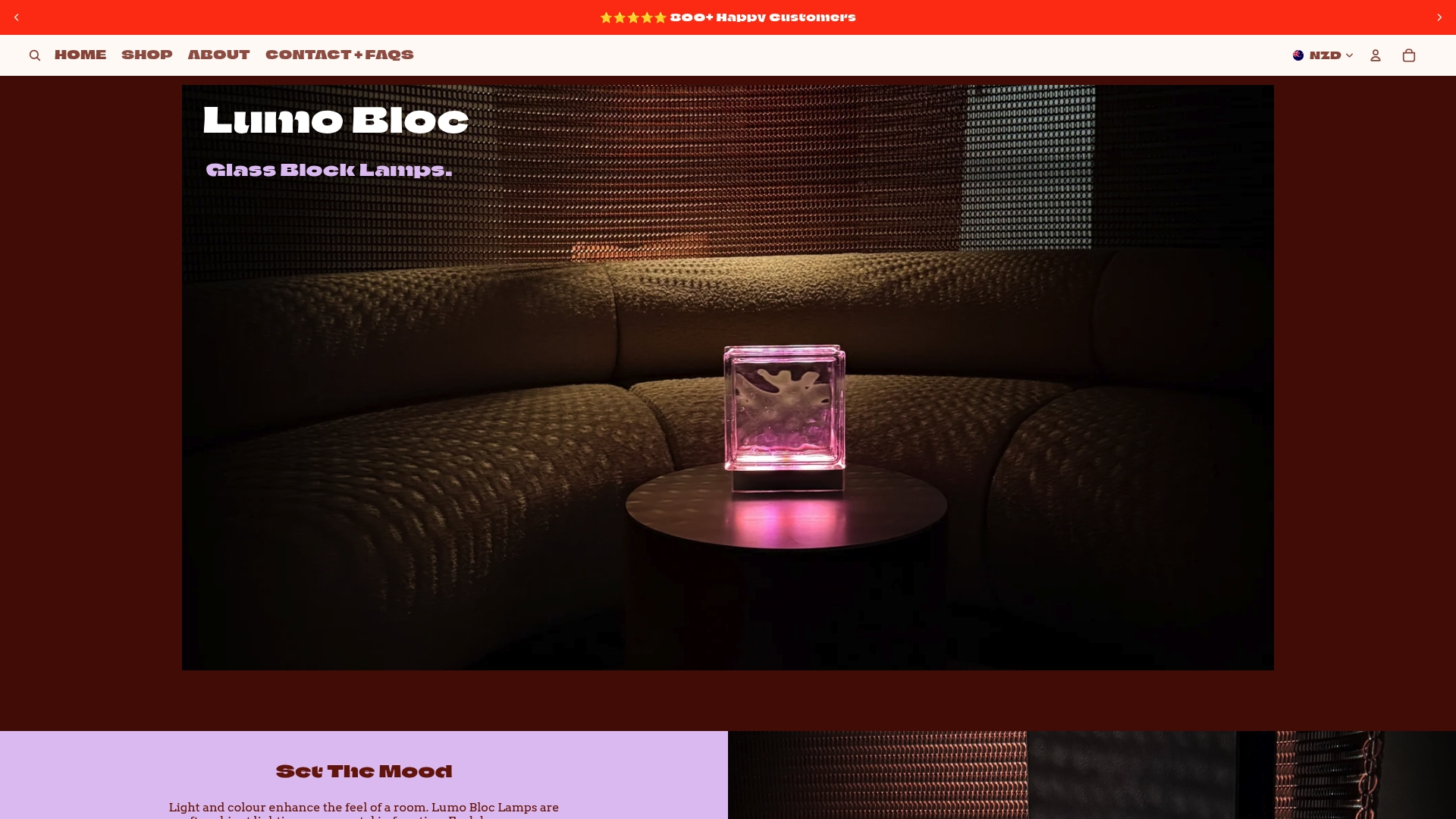
Customisation sets our lamps apart. Interchangeable coloured acrylic lenses let you switch between warm amber, cool blue, vibrant colours, or clear options to match changing moods and seasons. Adjust brightness levels and choose bases that complement your décor. Every handmade decorative lamp combines functionality with artistry, creating pieces you’ll treasure for years.
Explore our full collection and experience how sustainable, customisable lighting enhances New Zealand homes. Visit the Lumo Bloc website to discover unique pieces that reflect your values and style.
Frequently asked questions
What types of decorative lighting suit eco-conscious NZ homes?
Artisan lamps crafted from reclaimed glass and sustainable timber offer the best eco-credentials, reducing environmental impact by approximately 40% compared to mass-produced alternatives. LED-based lighting across all types dramatically cuts energy consumption, supporting both household budgets and New Zealand’s sustainability goals.
How does customisation improve decorative lighting experience?
Customisable features like interchangeable coloured lenses, adjustable brightness, and flexible base options let you tailor lighting to specific moods, activities, and seasonal aesthetics. Research shows customisation increases user satisfaction by 30%, transforming generic fixtures into personalised tools that adapt to your evolving needs and preferences.
Are wireless decorative lamps suitable for rental homes?
Wireless rechargeable lamps are perfect for rentals because they require no permanent installation or wall modifications. You can position them anywhere, rearrange freely as your needs change, and take them when you move. They reduce installation time by up to 70% compared to wired alternatives while offering complete flexibility.
What is the typical price range for artisanal lighting in New Zealand?
Quality handcrafted decorative lamps in New Zealand generally cost between NZD 250 and 600 per piece. This pricing reflects genuine sustainable materials, skilled artisan labour, and small-batch production. Customisation options like bespoke sizing or special materials can increase investment but deliver unique pieces perfectly suited to your vision and values.