


Most people believe ambient lighting means installing a bright ceiling fixture and calling it done. That approach misses the heart of what creates a welcoming, comfortable home atmosphere. True ambient lighting involves layering multiple diffused light sources to craft mood and warmth without harsh glare. This guide reveals how sustainable and customizable ambient lighting transforms New Zealand homes through energy efficiency, natural materials, and artisan craftsmanship that respects both your comfort and the environment.
Table of Contents
- Understanding Ambient Lighting: Definition And Importance
- Natural Lighting As Sustainable Ambient Light
- Energy Efficient Artificial Ambient Lighting
- Balancing Natural And Artificial Lighting For Optimal Ambience
- Sustainable Materials And Craftsmanship In Ambient Lighting
- Health And Emotional Benefits Of Ambient Lighting
- Common Misconceptions About Ambient Lighting
- Customization And Craftsmanship In Ambient Lighting Solutions
- Explore Sustainable Custom Ambient Lighting With Lumo Bloc
- Frequently Asked Questions
Key Takeaways
| Point | Details |
|---|---|
| Ambient lighting definition | General, diffused light creating mood without glare, distinct from task or accent lighting. |
| Energy efficiency | LED technology and natural light integration reduce consumption by up to 75% compared to traditional bulbs. |
| Sustainable materials | Reclaimed and handcrafted fixtures cut environmental impact by 30% while offering unique designs. |
| Health benefits | Warm, low intensity light supports circadian rhythms and reduces eye strain for better wellbeing. |
| Layering importance | Combining natural and artificial sources creates adaptable, energy efficient environments throughout the day. |
Understanding Ambient Lighting: Definition and Importance
Ambient lighting serves as the foundation of any well designed interior lighting scheme. Unlike task lighting that targets specific work areas or accent lighting that highlights features, ambient lighting provides overall illumination that creates a comfortable atmosphere by using diffused sources to eliminate harsh shadows and glare. This general illumination establishes the baseline brightness for a room.
Key characteristics distinguish ambient lighting from other types. It typically operates at lower brightness levels, distributes light evenly across spaces, and produces soft shadows that feel gentle on the eyes. In New Zealand homes where indoor and outdoor living blend seamlessly, ambient lighting creates that essential cosy atmosphere during long winter evenings and balances bright summer days.
The distinction matters more than many realize:
- Task lighting delivers focused beams for reading, cooking, or detailed work
- Accent lighting draws attention to artwork, architectural features, or decorative elements
- Ambient lighting fills the room with comfortable background illumination
Design experts recognize this foundation as critical. As one lighting specialist notes:
“Creating ambient lighting with layered sources transforms a house into a home by establishing warmth and invitation that overhead fixtures alone simply cannot achieve.”
For New Zealand homeowners pursuing sustainable living, understanding ambient lighting opens pathways to reduce energy consumption while enhancing daily comfort. The right approach balances natural daylight with efficient artificial sources, creating spaces that adapt beautifully to your lifestyle and the changing seasons.
Natural Lighting as Sustainable Ambient Light
Natural light stands as the most sustainable ambient lighting source available to New Zealand homeowners. Maximizing natural light reduces artificial lighting needs, decreasing energy consumption while improving indoor environmental quality. Homes designed with north facing orientation can reduce daytime artificial lighting requirements by up to 40%.
Architectural features play crucial roles in capturing and distributing natural ambient light. Windows positioned strategically flood interiors with diffused daylight. Skylights bring illumination to central spaces where exterior walls cannot reach. Solar tubes channel sunlight through reflective passages into darker corners, spreading ambient brightness throughout your home.
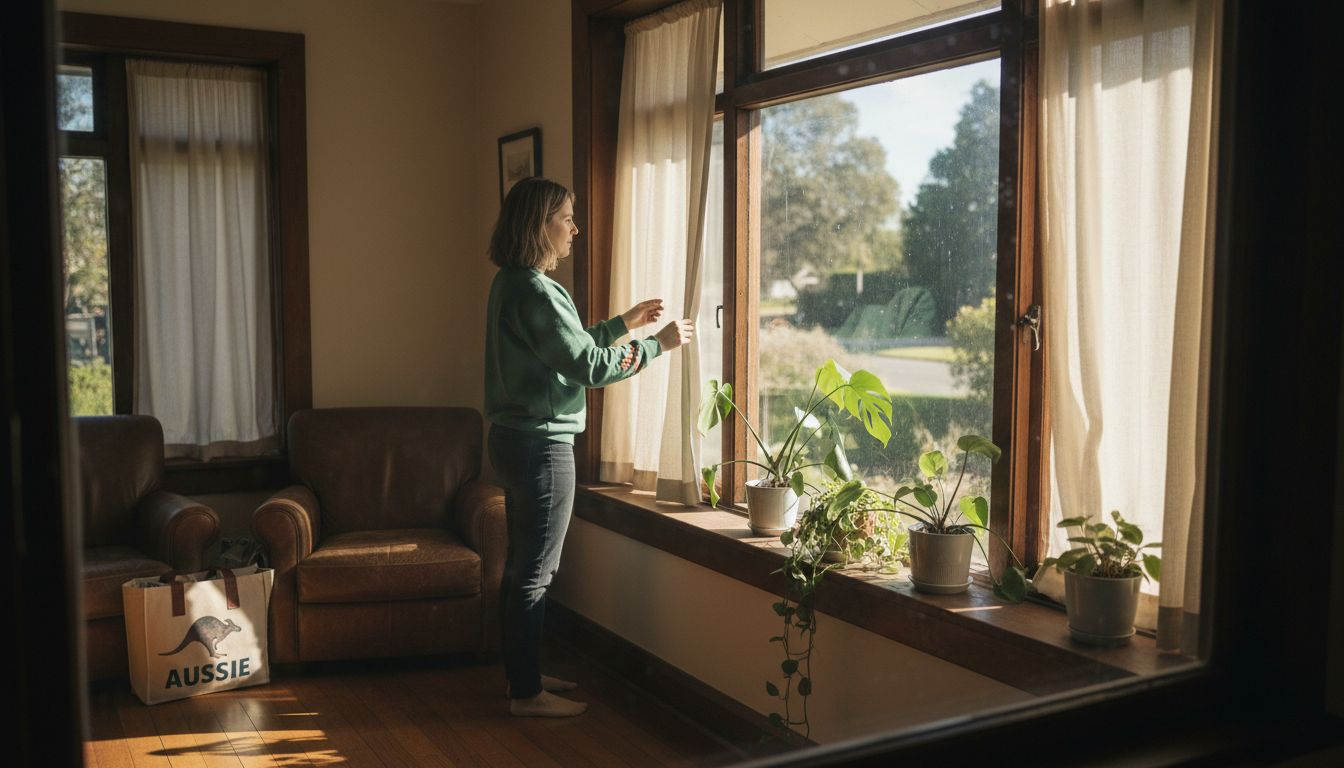
The wellbeing benefits extend beyond energy savings. Natural light regulates circadian rhythms, boosts mood, and connects indoor spaces to the outdoor environment that defines New Zealand living. When you design with sunlight as your primary ambient source, you create healthier spaces while reducing your carbon footprint.
| Natural Light Feature | Ambient Lighting Impact | Sustainability Benefit |
|---|---|---|
| North facing windows | Even daylight distribution throughout day | 30-40% reduction in daytime artificial lighting |
| Skylights | Illuminates central spaces from above | Eliminates need for ceiling fixtures during daylight |
| Solar tubes | Channels light to windowless areas | Zero energy cost for ambient illumination |
| Light shelves | Reflects daylight deeper into rooms | Extends natural light reach 40% further |
Practical implementation starts with assessing your home’s orientation and existing window placement. Consider how light moves through spaces at different times. Add reflective surfaces like light paint colours or mirrors to amplify and distribute natural ambient light more effectively. These strategies work together to maximize free, sustainable illumination before you supplement with artificial sources.
Energy Efficient Artificial Ambient Lighting
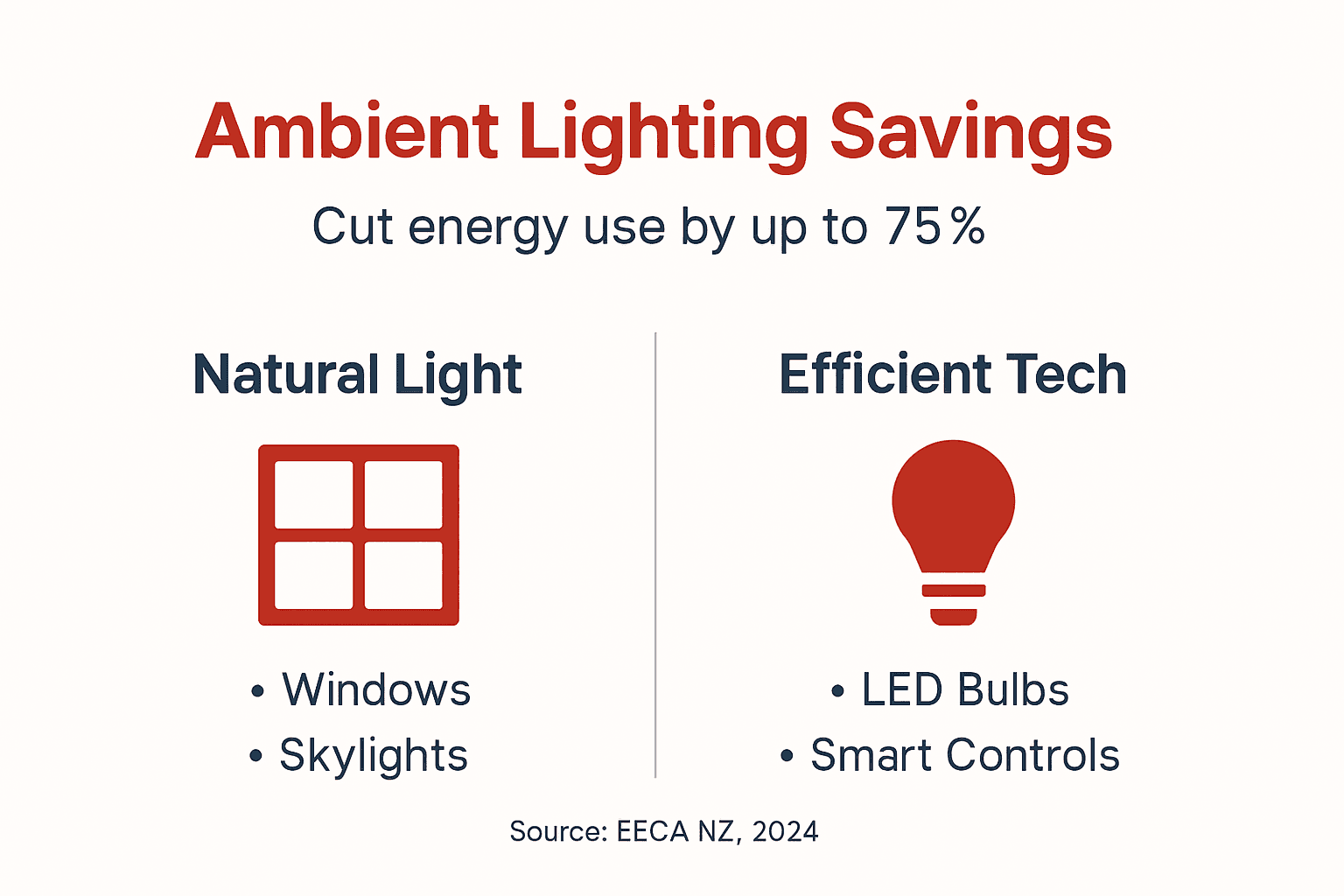
When natural light fades, artificial ambient lighting takes over, and technology has revolutionized efficiency. LED technology reduces energy consumption by approximately 75% compared to incandescent bulbs while lasting 25 times longer. This dramatic improvement makes LED fixtures the obvious choice for sustainable ambient lighting energy savings in New Zealand homes.
The comparison reveals why LEDs dominate modern lighting design:
| Bulb Type | Energy Use | Lifespan | Light Quality | Environmental Impact |
|---|---|---|---|---|
| Incandescent | 60W | 1,000 hours | Warm but inefficient | High carbon footprint |
| LED | 10W | 25,000 hours | Adjustable colour temperature | 75% lower emissions |
Smart lighting controls amplify these benefits further. Dimmers let you adjust brightness to match activities and moods, reducing unnecessary energy use. Timers automate lighting schedules so fixtures operate only when needed. Motion sensors in hallways and utility spaces ensure lights activate on demand. Combined, these controls can reduce waste by 30% beyond the LED efficiency gains alone.
Best practices for selecting LED ambient lighting fixtures:
- Choose warm white colour temperatures (2700-3000K) for living spaces to create inviting atmospheres
- Select fixtures with diffusers or frosted covers to spread light evenly without harsh glare
- Calculate lumens based on room size: 20 lumens per square foot for ambient lighting
- Look for high CRI (Colour Rendering Index) ratings above 80 for accurate colour perception
- Verify compatibility with dimmer switches if you plan to add controls
Pro Tip: Combine LED lighting with smart controls that adjust automatically based on natural light levels for maximum sustainability and comfort.
The investment in quality LED fixtures and controls pays for itself through reduced electricity bills and minimal replacement costs. For New Zealand homeowners committed to sustainable living, these choices align environmental responsibility with superior lighting quality.
Balancing Natural and Artificial Lighting for Optimal Ambience
The most effective ambient lighting strategies layer natural and artificial sources seamlessly. Combining natural light features with artificial lighting controls creates an adaptable environment that enhances both sustainability and comfort. This integration responds dynamically to changing daylight conditions throughout the day and seasons.
Implementing a balanced approach follows these practical steps:
- Assess your natural light patterns by observing how sunlight moves through each room during morning, midday, and evening hours across different seasons.
- Select complementary artificial fixtures that fill gaps where natural light diminishes, positioning them to create even ambient distribution.
- Install dimming controls and smart systems that adjust artificial lighting intensity as natural light fluctuates, maintaining consistent ambient levels.
- Use reflective surfaces strategically, placing mirrors and light coloured finishes where they amplify both natural and artificial light sources.
- Position floor and table lamps to supplement ceiling fixtures, creating layered ambient lighting that offers flexibility for different activities and moods.
Reflective surfaces multiply the effectiveness of both light types. White or pale walls bounce daylight deeper into spaces while enhancing artificial fixture output. Glass and polished surfaces create similar amplification effects. Strategic positioning ensures light diffuses evenly rather than creating bright spots or dark corners.
Pro Tip: Use dimmers to adjust artificial lighting as natural light changes throughout day.
The adaptability benefits extend beyond aesthetics. Energy efficiency improves when artificial sources dim or turn off during bright daylight hours. Comfort increases as lighting levels remain consistent regardless of external conditions. Your home maintains welcoming ambient illumination from morning coffee to evening relaxation without wasting electricity or creating harsh transitions.
For New Zealand homes where weather varies dramatically, this balanced approach delivers year round reliability. Sunny summer days rely primarily on natural light with minimal artificial supplementation. Overcast winter days blend both sources seamlessly. The customizable eco-friendly lighting design philosophy ensures you always have optimal ambient lighting regardless of conditions outside.
Sustainable Materials and Craftsmanship in Ambient Lighting
The materials and manufacturing processes behind your lighting fixtures carry significant environmental weight. Using handcrafted lamps from reclaimed materials reduces waste by repurposing existing resources and highlights unique design that appeals to environmentally conscious homeowners. Recycled and reclaimed materials can reduce the environmental impact of lighting production by up to 30% compared to new raw materials.
Handcrafted designs offer advantages mass production cannot match. Artisan makers create fixtures with attention to detail and quality that extends product lifespan significantly. Each piece carries unique character reflecting the maker’s skill and the materials’ history. This approach aligns perfectly with New Zealand’s cultural values around craftsmanship, sustainability, and connection to local resources.
Reclaimed glass blocks, salvaged timber, and repurposed metal components exemplify sustainable materials in ambient lighting. These materials tell stories while reducing demand for virgin resources. The aesthetic appeal of weathered wood grain or vintage glass texture adds depth that artificial finishes struggle to replicate. Durability exceeds contemporary mass market alternatives, meaning fewer replacements over your home’s lifetime.
Advantages of customizable sustainable lighting from artisanal makers:
- Environmental impact: Diverts waste from landfills while minimizing new resource extraction and production energy
- Design authenticity: Each fixture carries unique characteristics impossible to mass produce
- Longevity: Superior construction quality extends functional life by decades
- Cultural alignment: Supports local craftspeople and New Zealand’s maker community
- Personalization: Custom options let you specify colours, finishes, and configurations matching your home
The popular customizable lighting trends reflect growing consumer recognition that lighting choices impact more than just brightness. Homeowners increasingly seek fixtures that embody their values around sustainability and craftsmanship. Artisan made ambient lighting delivers both functional illumination and meaningful design that mass market products cannot replicate.
Choosing handcrafted fixtures supports circular economy principles while bringing distinctive character to your ambient lighting scheme. The combination of sustainable materials and skilled craftsmanship creates lighting solutions that honour environmental responsibility without compromising aesthetic quality.
Health and Emotional Benefits of Ambient Lighting
Ambient lighting influences more than just visibility. Ambient lighting supports circadian rhythms and improves wellbeing by using warm, soft light that signals evening and helps regulate sleep patterns. The quality and intensity of ambient light in your home directly affects physical health and emotional state in measurable ways.
Warm, low intensity ambient light mimics the natural progression from daylight to dusk. This gradual transition cues your body to prepare for rest, supporting melatonin production and healthy sleep cycles. Harsh overhead lighting disrupts these natural rhythms, potentially causing sleep difficulties and increased stress levels. By contrast, properly designed ambient lighting creates environments that feel instinctively comfortable.
Emotional benefits extend throughout waking hours as well. Soft, diffused ambient light reduces visual stress and creates psychological comfort. Spaces feel more inviting and relaxing when light wraps around you gently rather than glaring down from above. This quality becomes especially valuable in New Zealand homes during long winter evenings when artificial lighting plays a larger role.
Ways ambient lighting improves mental and physical wellness:
- Reduces eye strain by eliminating harsh glare and high contrast shadows during extended indoor activities
- Creates calming atmospheres that lower stress hormones and promote relaxation after demanding days
- Supports circadian rhythm regulation through appropriate colour temperature and intensity timing
- Enhances mood by providing comfortable visual environments that feel naturally pleasant
- Improves sleep quality when evening ambient lighting transitions gradually to lower, warmer tones
The science behind these benefits continues emerging. Research confirms that lighting quality affects cortisol levels, attention span, and overall life satisfaction. For homeowners prioritizing wellness alongside sustainability, ambient lighting design becomes a health investment rather than just an aesthetic choice.
Thoughtful ambient lighting creates homes that nurture wellbeing as effectively as they showcase beautiful design. The combination of appropriate intensity, warm colour temperatures, and even distribution throughout spaces supports both physical health and emotional comfort for everyone who lives there.
Common Misconceptions About Ambient Lighting
Several persistent myths about ambient lighting lead homeowners astray when designing their spaces. Common misconceptions include the belief that ambient lighting must come from overhead lights only; in reality, layered lighting including floor lamps and table lamps are essential for effective ambient illumination. Understanding these errors helps you avoid disappointing results and wasted investment.
The overhead only myth proves particularly damaging. Many assume a central ceiling fixture provides adequate ambient lighting, but this approach creates harsh downward light with unflattering shadows. True ambient lighting comes from multiple sources at various heights, creating gentle, even illumination that wraps around spaces naturally. Floor lamps, wall sconces, and table lamps contribute as much or more to quality ambient lighting than ceiling fixtures.
Another common error involves brightness assumptions. People often think brighter automatically means better, installing high wattage bulbs to flood spaces with light. Ambient lighting actually works best at lower intensities, providing enough illumination for safe movement and general activities without overwhelming the eyes. The goal is comfortable background light, not stadium brightness.
A third misconception treats ambient lighting as a standalone solution. Some homeowners install ambient sources and consider lighting design complete. In practice, ambient lighting complements task and accent lighting in a complete scheme. You need focused light for reading and cooking, highlighted light for artwork and features, plus the ambient foundation tying everything together.
Top misconceptions and their corrections:
- Myth: Ambient lighting comes primarily from ceiling fixtures. Reality: Layered sources at multiple heights create superior ambient illumination.
- Myth: Higher brightness improves ambient lighting quality. Reality: Lower intensity diffused light creates more comfortable ambient environments.
- Myth: Ambient lighting alone provides complete illumination. Reality: Effective lighting schemes layer ambient, task, and accent sources together.
Clearing these misconceptions sets you on the right path toward ambient lighting that truly enhances your home. Understanding the layered, moderate, complementary nature of ambient lighting helps you make decisions that deliver both beauty and function while supporting sustainable energy use.
Customization and Craftsmanship in Ambient Lighting Solutions
Handcrafted, customizable ambient lighting brings the sustainable materials discussion into practical application. Using handcrafted lamps from reclaimed materials reduces waste while highlighting unique design that resonates with New Zealand’s environmental consciousness. The flexibility of interchangeable elements in artisan made fixtures lets you adapt lighting to changing tastes and needs without replacing entire units.
Customization benefits extend beyond simple aesthetic preferences. Modular designs let you swap coloured lenses, adjust base configurations, or modify mounting options as your space evolves. This adaptability means fixtures remain relevant and functional for decades rather than becoming outdated. The durability of handcrafted construction ensures components withstand repeated changes without degrading.
Craftsmanship directly supports reduced production energy and waste. Small batch artisan production uses significantly less energy than factory manufacturing. Local materials reduce transportation emissions. Attention to quality construction means fewer defects and returns. These factors combine to create lighting solutions with dramatically lower carbon footprints than mass market alternatives.
Pro Tip: Choose lamps with modular designs to easily update style and functionality.
Customization features common in handmade ambient lighting solutions:
- Interchangeable coloured lenses or shades that alter light tone and mood without electrical changes
- Multiple base options including wired and wireless configurations for installation flexibility
- Adjustable brightness controls integrated into fixture design for personalized intensity
- Scalable designs that work individually or group together for larger ambient lighting needs
- Material choices that let you specify finishes matching your existing interior palette
The combination of handmade customizable lighting gifts and personal ambient lighting needs creates opportunities to select fixtures that truly reflect your values and style. Whether you prioritize specific sustainable materials, desire particular aesthetic qualities, or need technical features like wireless operation, customizable lighting design offers solutions mass production cannot match.
For New Zealand homeowners seeking ambient lighting that embodies both environmental responsibility and personal expression, handcrafted customizable fixtures deliver on both fronts. The benefits of handcrafted lamps include reduced environmental impact, superior longevity, and authentic design character that makes your home distinctly yours.
Explore Sustainable Custom Ambient Lighting with Lumo Bloc
Now that you understand how ambient lighting transforms homes through sustainability and craftsmanship, Lumo Bloc offers practical solutions that embody these principles. Our handcrafted glass block lamps use reclaimed building materials to create unique ambient lighting pieces that reduce environmental impact while delivering the warm, diffused illumination your home deserves.
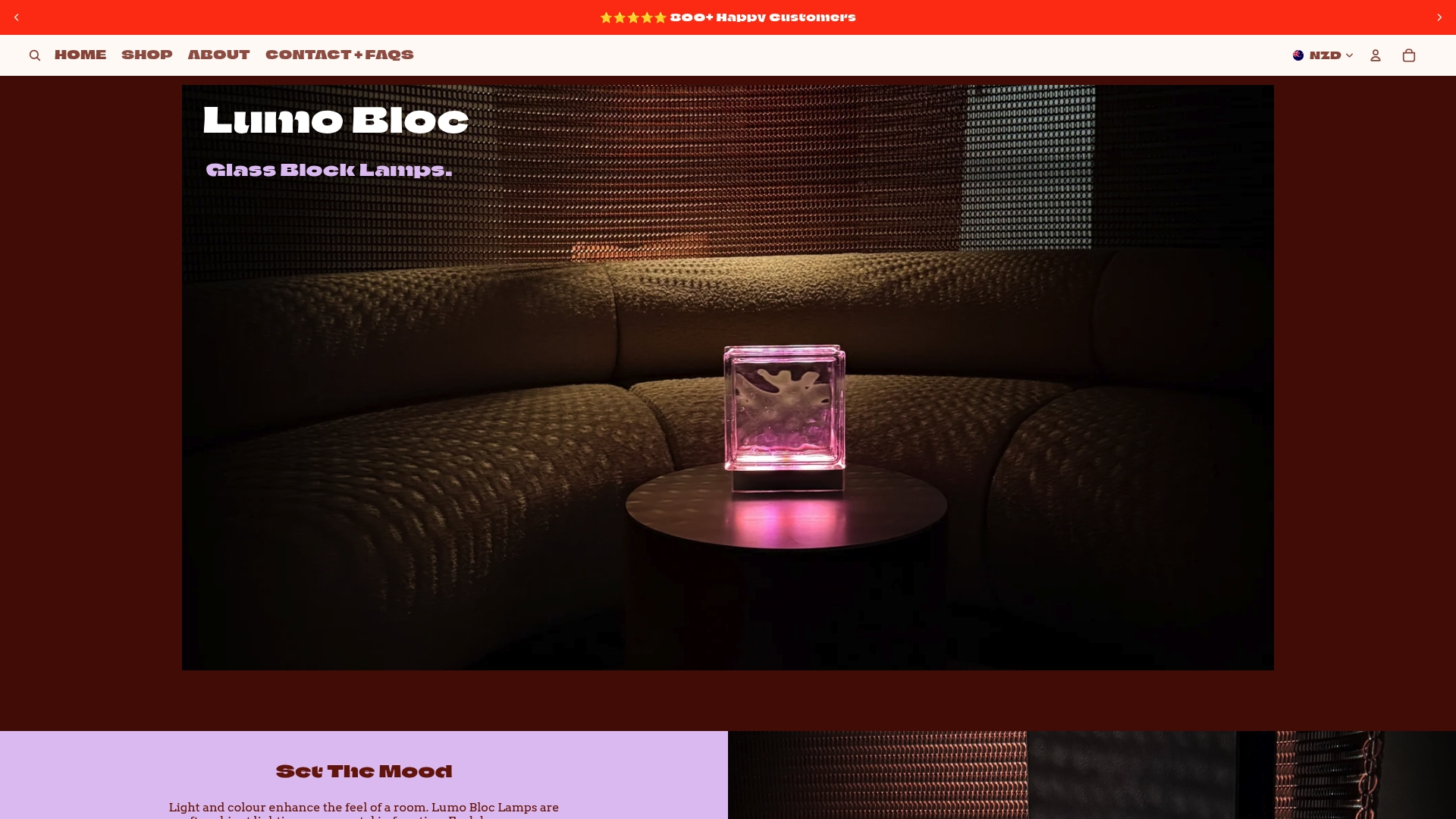
Each lamp features customization options including interchangeable coloured acrylic lenses and your choice of wired or wireless bases. This flexibility lets you personalize ambient lighting to match your evolving style and functional needs. The handcrafted manufacturing process in New Zealand ensures quality construction that lasts decades, not years, reducing replacement waste and supporting local artisans.
Energy efficiency meets artisan design in every piece. LED technology combined with sustainable reclaimed materials creates ambient lighting solutions that honour both your comfort and environmental values. Whether you seek unique handmade lighting gifts or permanent fixtures for your home, our glass block lamps deliver distinctive character impossible to find in mass market alternatives. Explore how handmade designer lamps transform your ambient lighting approach today.
Frequently Asked Questions
What distinguishes ambient lighting from other lighting types?
Ambient lighting provides general, diffused illumination that creates comfortable background brightness without glare or harsh shadows. Task lighting delivers focused beams for specific activities like reading or cooking, while accent lighting highlights particular features or decorative elements. Ambient lighting establishes the foundational light level that makes spaces feel welcoming and allows safe movement.
How can I maximize natural light for ambient lighting in my NZ home?
Position your home with north facing windows to capture consistent daylight throughout the day, reducing artificial lighting needs by up to 40%. Add skylights to illuminate central spaces and solar tubes to channel light into darker areas. Use light coloured walls and reflective surfaces to amplify and distribute natural light more effectively throughout your rooms.
What are sustainable materials used in ambient lighting fixtures?
Reclaimed glass blocks, salvaged timber, and repurposed metal components provide excellent sustainable materials for ambient lighting. These materials reduce waste by diverting resources from landfills while minimizing new raw material extraction. Handcrafted fixtures using these materials typically reduce environmental impact by 30% compared to mass produced alternatives while offering unique aesthetic character.
Can customizable lamps improve energy efficiency?
Yes, customizable lamps improve efficiency through modular LED components and adjustable features. Interchangeable lenses let you modify light colour and intensity without replacing entire fixtures. Dimming controls and wireless options reduce unnecessary energy use. The longevity of quality handcrafted construction also prevents waste from frequent replacements.
Why is layered ambient lighting better than single overhead lights?
Layered ambient lighting from multiple sources at various heights creates even, gentle illumination that eliminates harsh shadows and glare. Single overhead fixtures produce unflattering downward light that causes eye strain and unwelcoming atmospheres. Multiple sources including floor lamps, table lamps, and wall sconces distribute light naturally throughout spaces, creating the comfortable, inviting environments that define quality ambient lighting.