


Many boutique hotel owners believe brighter lighting always improves guest experience, but this is often false. Excessive brightness can reduce guest satisfaction by up to 15%, creating discomfort instead of welcome. Ambient lighting shapes mood, comfort, and guest perception in profound ways. This guide covers sustainable and bespoke ambient lighting tailored for New Zealand boutique hotels, helping you balance energy efficiency with unforgettable atmosphere.
Table of Contents
- Introduction To Ambient Lighting In Boutique Hotels
- The Psychological Role Of Ambient Lighting In Boutique Hotels
- Sustainable Materials And Energy Efficiency In Ambient Lighting
- Layered Lighting Strategies For Boutique Hotels
- Common Misconceptions And Mistakes In Ambient Lighting
- Enhancing Boutique Hotel Brand Identity Through Ambient Lighting
- Practical Application And Benefits Of Ambient Lighting In Boutique Hotels
- Discover Sustainable Bespoke Lighting With Lumo Bloc
Key Takeaways
| Point | Details |
|---|---|
| Ambient lighting creates mood | Warm, dimmable illumination builds comfort and emotional connection with guests. |
| Sustainable materials reduce costs | LED tech and reclaimed materials can cut energy costs by up to 50%. |
| Layering enhances atmosphere | Combining ambient with accent and task lighting balances function and mood. |
| Bright lighting reduces satisfaction | Overly bright ambient lighting drops guest comfort by 15-20%. |
| Bespoke lighting supports brand identity | Artisanal, sustainable fixtures strengthen authenticity and guest engagement. |
Introduction to Ambient Lighting in Boutique Hotels
Ambient lighting provides the foundational base layer for general illumination in boutique hotels. It’s not just about visibility. Ambient lighting provides base illumination and influences guest emotions and comfort, creating the overall mood that impacts guest relaxation and emotional connection. Warm ambient lighting in the 2700K–3000K range improves guest comfort and creates inviting atmosphere, setting your hotel apart from cold, clinical spaces.
You’ll find ambient lighting in lobbies, guest rooms, and corridors. It serves as the canvas upon which accent and task lighting add detail. Think of it as the quiet background that allows guests to unwind without conscious effort. This foundational role makes choosing the right bespoke lighting concepts critical for your brand’s success.
Ambient lighting characteristics include:
- Base lighting that fills the entire space with soft illumination
- Mood setter that defines the emotional tone of each area
- Soft, diffused quality that avoids harsh shadows or glare
- Foundational layer that supports additional lighting types
Understanding the psychological role of ambient lighting helps you make informed design choices. Your guests may not consciously notice perfect ambient lighting, but they’ll feel its absence immediately. The right approach balances technical requirements with emotional impact, creating spaces where guests want to linger.
The Psychological Role of Ambient Lighting in Boutique Hotels
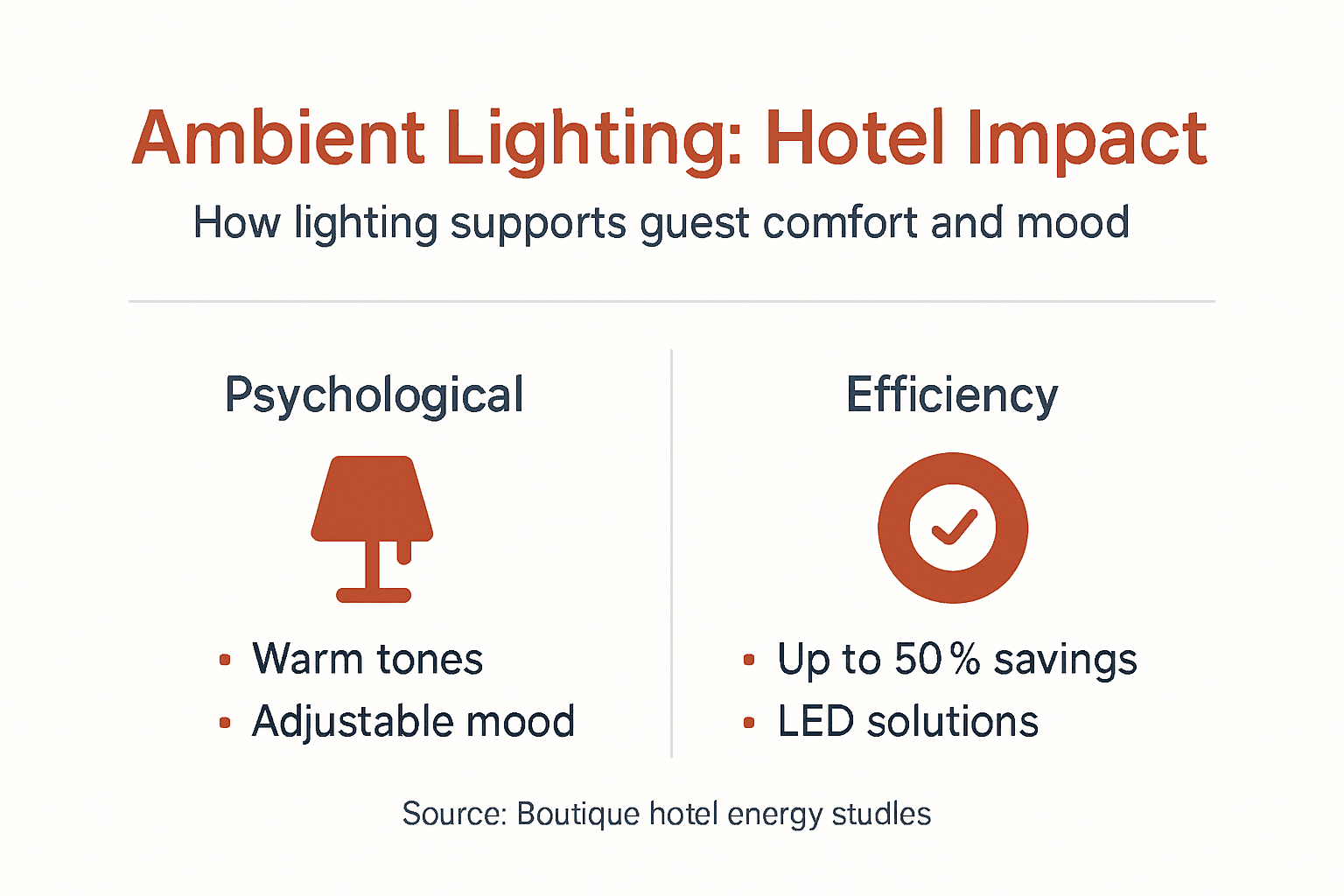
Color temperature affects mood profoundly. Warm white light in the 2700K-3000K range is preferred by 78% of hotel guests to enhance relaxation, promoting coziness and unwinding after long travel days. Cooler temperatures above 4000K can feel clinical and unwelcoming, exactly what boutique hotels must avoid.
Dimmable lighting allows guests to personalize ambience based on preferences and time of day. Morning light can be brighter for energy, while evening settings dim for rest. This flexibility correlates directly with guest comfort and perceived room quality. Your guests appreciate control over their environment, and customizable lighting controls deliver that autonomy.
Pro Tip: Implement adjustable warm white LEDs for flexible guest experiences. Install dimmer switches or smart controls in guest rooms so visitors can tailor lighting to their needs. This simple addition increases satisfaction scores significantly.
Mood adaptability through layered lighting controls offers several benefits:
- Guests can shift from work mode to relaxation seamlessly
- Different times of day receive appropriate illumination
- Individual preferences are honored without compromising design
- Energy efficiency improves as guests use only needed light levels
The psychological impact extends beyond individual comfort. Ambient lighting creates the first impression in your lobby and the lasting memory in guest rooms. When you understand how warm ambient lighting benefits your guests emotionally, you can design spaces that feel like sanctuaries rather than just places to sleep.
Sustainable Materials and Energy Efficiency in Ambient Lighting
LED technology reduces energy use by 40-50% compared to traditional incandescent sources, slashing operational costs while maintaining superior light quality. This dramatic reduction impacts your bottom line immediately, freeing budget for other guest experience enhancements. LEDs also last 25 times longer than incandescent bulbs, reducing maintenance frequency and waste.
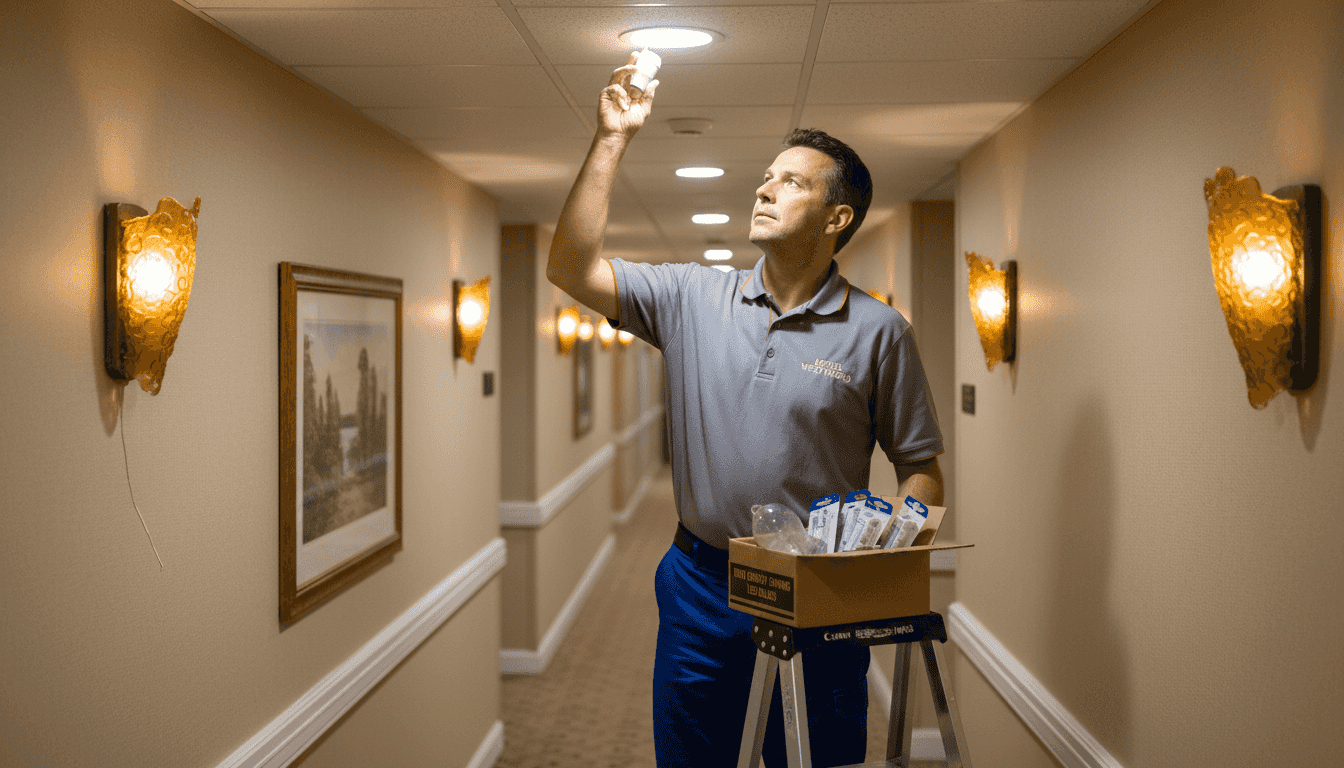
Bespoke fixtures using reclaimed glass and artisanal materials for bespoke fixtures enhance aesthetics and sustainability, supporting local identity and eco-conscious branding. Reclaimed glass fixtures tell a story, connecting guests to New Zealand’s commitment to environmental stewardship. Each piece becomes a conversation starter, reinforcing your brand values.
Smart lighting controls optimize energy use while enhancing guest experience. Motion sensors in corridors prevent unnecessary illumination, while timers and occupancy detectors in guest rooms ensure lights aren’t wasted. These systems integrate seamlessly with the boutique aesthetic when chosen thoughtfully.
| Lighting Type | Energy Use (watts) | Lifespan (hours) | Annual Cost (NZD)* | Savings vs Incandescent |
|---|---|---|---|---|
| LED | 10 | 25,000 | $12 | 50% |
| Halogen | 43 | 2,000 | $52 | 0% |
| Incandescent | 60 | 1,000 | $72 | Baseline |
*Based on 8 hours daily use at $0.25/kWh
Pro Tip: Collaborate with local artisans for lighting fixtures to combine sustainability and unique design. New Zealand has talented craftspeople who can create sustainable lighting types that reflect your region’s character while meeting your technical requirements.
The combination of energy efficiency with LEDs and artisanal sustainable lighting creates win-win situations. Guests appreciate the environmental responsibility, you save on operating costs, and your hotel gains distinctive visual identity. This approach positions your property as a leader in sustainable luxury.
Layered Lighting Strategies for Boutique Hotels
Layered lighting improves guest comfort and spatial experience by balancing ambient, accent, and task illumination, creating depth and functionality simultaneously. Each layer serves a distinct purpose. Ambient lighting provides the base. Accent lighting highlights architectural features or artwork. Task lighting enables specific activities like reading or working.
| Lighting Type | Primary Purpose | Typical Color Temp | Common Locations | Key Features |
|---|---|---|---|---|
| Ambient | General illumination and mood | 2700K-3000K | Lobbies, guest rooms, hallways | Soft, diffused, foundational |
| Accent | Highlight features and create visual interest | 3000K-3500K | Art displays, architectural details | Directional, focused beams |
| Task | Enable specific activities | 3500K-4000K | Desks, reading areas, bathrooms | Bright, focused, functional |
Benefits of layered boutique lighting include:
- Functionality meets aesthetics without compromise
- Mood depth creates richer emotional experiences
- Aesthetic focus draws attention to your best design elements
- Flexibility allows spaces to serve multiple purposes
- Energy efficiency improves as lights activate only when needed
In lobbies, ambient lighting creates warmth while accent lights showcase artwork or architectural details. Guest rooms use ambient lighting for general comfort, task lights for bedside reading, and accent fixtures to highlight unique design elements. Corridors rely primarily on ambient lighting for safety, with occasional accent lighting to maintain visual interest.
Ambient lighting serves as the foundation, but it’s the combination that creates memorable spaces. Understanding layered lighting benefits allows you to design environments that feel complete rather than flat. Each layer supports the others, building a cohesive lighting narrative throughout your property.
Common Misconceptions and Mistakes in Ambient Lighting
Several myths about ambient lighting persist in boutique hotel design. Clearing these up prevents costly mistakes.
-
Brighter ambient lighting always improves satisfaction. False. Excessive brightness can reduce guest satisfaction by up to 15%, creating discomfort and harsh environments. Guests seeking relaxation need softer illumination.
-
Ambient lighting is merely decorative and not linked to comfort. False. Ambient lighting fundamentally shapes how guests feel in your spaces, directly impacting their overall experience and willingness to return.
-
Sustainable lighting compromises aesthetics. False. Modern sustainable options rival or exceed traditional fixtures in beauty, with the added benefit of environmental responsibility and avoiding lighting mistakes.
“Poorly designed ambient lighting leads to perceived coldness or harshness, dropping guest satisfaction by up to 20%.”
The solution lies in adopting warm, dimmable, layered lighting that prioritizes guest comfort over arbitrary brightness standards. Avoid harsh, cold light above 4000K in guest areas. Instead, focus on creating inviting spaces through thoughtful color temperature selection and dimming capabilities.
Many designers also make the mistake of treating ambient lighting as an afterthought, installing it only to meet basic visibility requirements. This misses the opportunity to craft memorable experiences. Understanding common lighting misconceptions helps you avoid these pitfalls and create spaces that truly serve your guests.
Enhancing Boutique Hotel Brand Identity Through Ambient Lighting
Ambient lighting plays multiple roles in brand identity:
- Visual signature that guests recognize and remember
- Storytelling medium that communicates your values
- Emotional connection builder that makes guests feel understood
- Authenticity marker that sets you apart from chain hotels
Local craftsmanship and sustainable materials in ambient lighting increase guest engagement and align with New Zealand boutique hotel values. When you choose fixtures made by regional artisans using reclaimed or natural materials, you’re not just buying lights. You’re investing in narrative. Guests increasingly seek authentic experiences rooted in local culture.
Sustainability is highly valued by New Zealand boutique guests and enhances brand appeal. Your lighting choices signal your commitment to environmental stewardship. Crafted sustainable lighting becomes a tangible expression of your values, something guests can see and touch.
Boutique hotels adding artisanal lighting report guest engagement increases up to 25%. These fixtures become Instagram moments and conversation pieces. Guests want to know the story behind unique design elements, creating natural opportunities to share your brand identity through bespoke lighting philosophy.
Sustainable ambient lighting ties into wider eco-conscious hospitality trends. Properties demonstrating genuine environmental commitment attract guests willing to pay premium rates. The investment in quality, sustainable lighting pays dividends through improved occupancy, higher average daily rates, and stronger guest loyalty. Your lighting becomes part of your competitive advantage.
When guest preference for sustainable design aligns with your authentic values, magic happens. Review artisan lighting case studies to see how other properties have successfully integrated bespoke ambient lighting into their brand narratives.
Practical Application and Benefits of Ambient Lighting in Boutique Hotels
Implementing sustainable and bespoke ambient lighting requires a methodical approach:
-
Assess hotel zones and select suited ambient lighting. Walk through your property noting current lighting failures and opportunities. Guest rooms need different solutions than lobbies or corridors.
-
Choose LED and reclaimed material fixtures for sustainability. Prioritize bespoke lighting fixtures that align with your brand values and aesthetic vision.
-
Integrate dimmable and color temperature controls for flexibility. Install systems that allow both staff and guest control as appropriate for each space.
-
Ensure consistent corridor and lobby lighting for safety. Ambient lighting contributes to a 30% reduction in guest navigation errors and safety incidents, making well-lit pathways essential.
-
Monitor energy use and guest satisfaction for continuous improvement. Track metrics before and after lighting upgrades to quantify ROI and identify further opportunities.
LED ambient lighting reduces energy costs by up to 50%, supporting boutique hotel sustainability goals while improving profitability. This dramatic reduction typically pays for LED upgrades within 18 to 24 months. The environmental benefits continue for decades.
The safety benefits extend beyond navigation. Proper ambient lighting in corridors and common areas reduces liability risks and helps guests feel secure. Well-lit spaces discourage unwanted behavior and create the impression of a well-managed property.
Installing sustainable lighting requires initial investment but delivers ongoing returns through reduced maintenance, lower energy bills, and enhanced guest satisfaction. Review practical ambient lighting applications to understand implementation best practices and avoid common pitfalls.
Discover Sustainable Bespoke Lighting with Lumo Bloc
Implementing ambient lighting that delivers on both sustainability and guest experience requires the right partner. Lumo Bloc specializes in handmade glass block lamps crafted from reclaimed materials right here in New Zealand. Each piece combines eco-conscious design with artisanal quality, creating ambient lighting that tells a story.
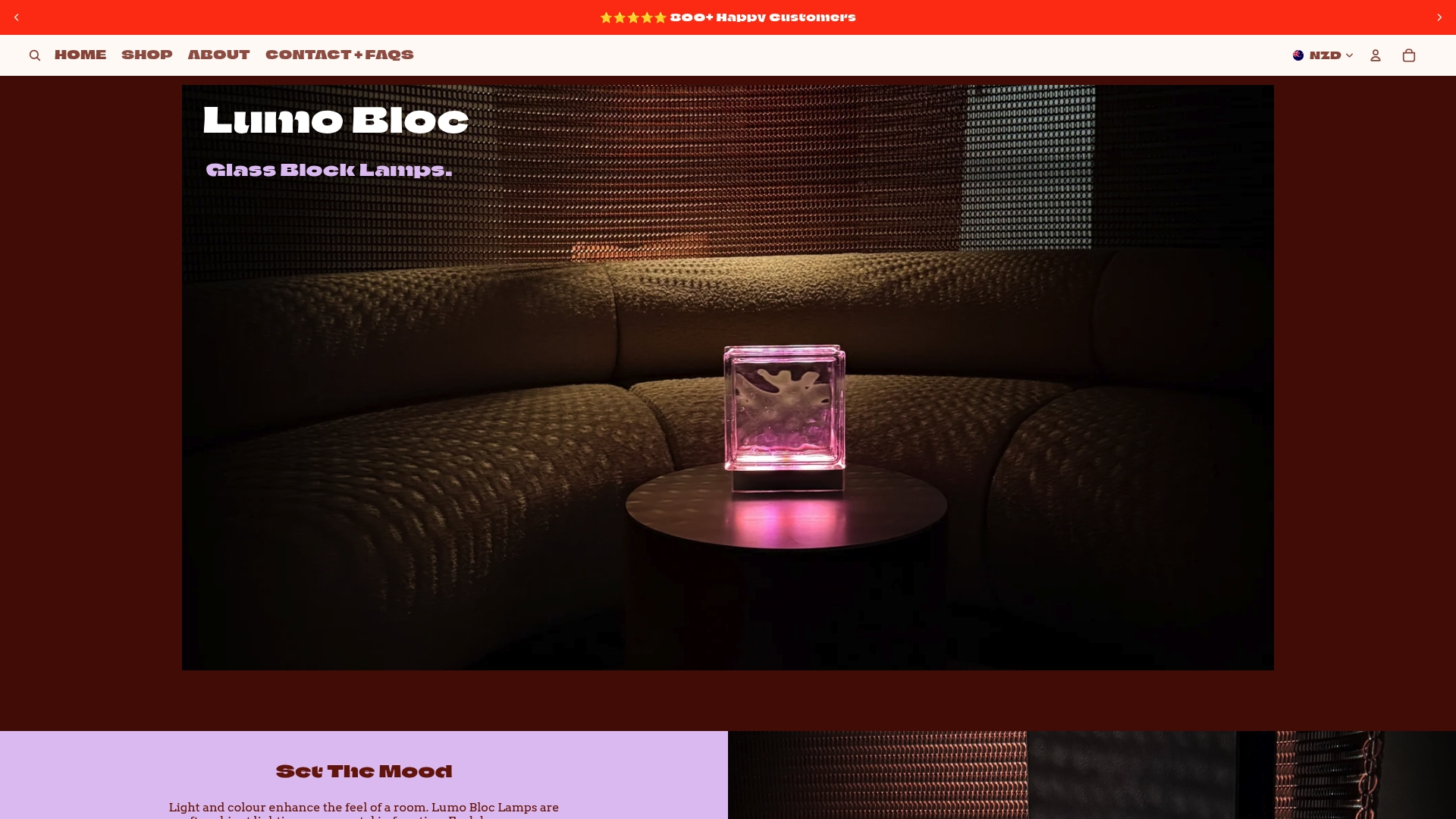
Our customizable options let you tailor color, base style, and lighting characteristics to match your boutique hotel’s unique aesthetic. Whether you need statement pieces for your lobby or intimate bedside lighting for guest rooms, Lumo Bloc’s range supports your vision. Explore unique sustainable lighting gifts that double as memorable guest room amenities or retail opportunities.
Local craftsmanship and reclaimed glass align perfectly with New Zealand boutique hotel values, helping you strengthen brand identity while reducing environmental impact. Discover how to explore sustainable lighting options that enhance your property’s ambience and your bottom line.
Frequently Asked Questions
What color temperature is best for ambient lighting in boutique hotels?
Warm white light in the 2700K to 3000K range works best for guest rooms and common areas, promoting relaxation and comfort. Cooler temperatures above 4000K feel clinical and should be reserved for back-of-house areas requiring task visibility.
How can sustainable ambient lighting reduce operational costs?
LED ambient lighting cuts energy consumption by 40 to 50% compared to traditional sources, dramatically lowering electricity bills. LEDs also last 25 times longer than incandescent bulbs, reducing maintenance labor and replacement costs over time.
What are the main differences between ambient, accent, and task lighting?
Ambient lighting provides general illumination and sets the overall mood. Accent lighting highlights specific features like artwork or architecture. Task lighting enables specific activities such as reading or desk work with focused, brighter illumination.
Can ambient lighting improve guest safety in hotel corridors?
Yes, proper ambient lighting in corridors reduces navigation errors and safety incidents by up to 30%. Consistent, well-distributed illumination helps guests move confidently through your property, reducing liability risks and improving their sense of security.
How does bespoke lighting enhance a boutique hotel’s brand identity?
Bespoke lighting crafted by local artisans using sustainable materials tells your brand story tangibly. Unique fixtures become conversation pieces that increase guest engagement by up to 25%, strengthening emotional connections and differentiating your property from competitors.