


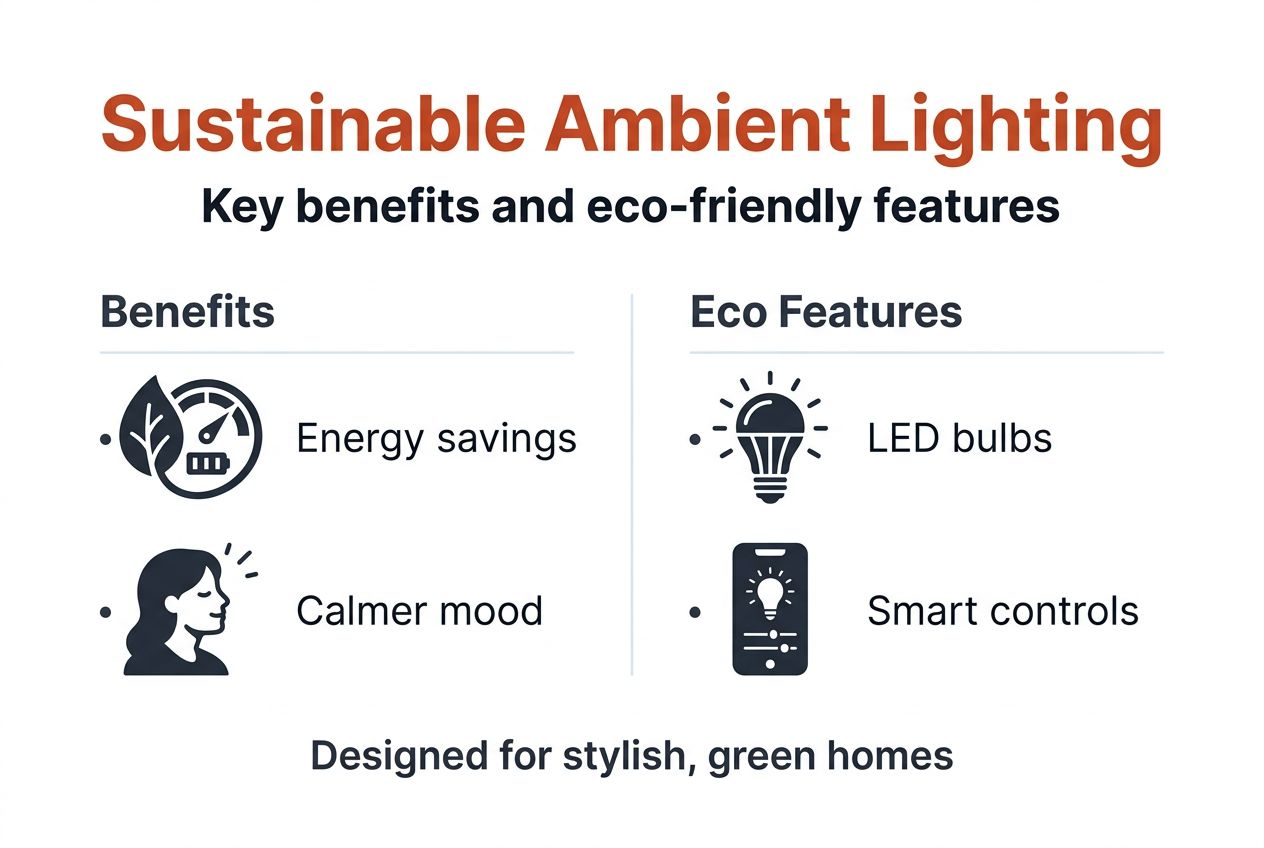
Many homeowners and designers believe brighter lighting automatically creates better interiors, but this common misconception overlooks how ambient lighting enhances spaces through mood, energy efficiency, and sustainability. Ambient lighting offers far more than basic illumination. It transforms residential and commercial environments through carefully balanced light that supports well-being whilst reducing environmental impact. This guide explores how ambient lighting creates stylish, responsible spaces that benefit both occupants and the planet.
Table of Contents
- Introduction To Ambient Lighting
- Physiological And Psychological Benefits Of Ambient Lighting
- Energy Efficiency And Sustainability Of Ambient Lighting
- Design Principles And Aesthetic Value Of Ambient Lighting
- Design Considerations For Sustainable Ambient Lighting
- Common Misconceptions About Ambient Lighting
- Discover Unique Sustainable Ambient Lighting Solutions
- Frequently Asked Questions
Key takeaways
| Point | Details |
|---|---|
| Health benefits | Ambient lighting reduces eye strain and supports cognitive function through balanced illumination |
| Energy savings | LED ambient lighting cuts energy consumption by up to 75% compared to traditional bulbs |
| Sustainable design | Reclaimed materials and handcrafted production support circular economy principles |
| Layered approach | Combining ambient with task and accent lighting creates functional, harmonious interiors |
| Smart controls | Dimmers and sensors optimise energy use whilst maintaining visual comfort |
Introduction to ambient lighting
Ambient lighting serves as the foundation of any well-designed interior space. It provides general, overall illumination that sets the room’s tone and ensures safe navigation. Unlike task lighting, which focuses on specific work areas like kitchen benches or reading nooks, ambient lighting creates a uniform glow throughout the entire space. Accent lighting highlights architectural features or artwork, but ambient lighting establishes the base layer upon which these other elements build.
This foundational role makes ambient lighting essential for both functionality and atmosphere. It prevents harsh shadows and creates visual comfort without overwhelming the senses. When properly implemented, ambient lighting supports a layered approach to interior illumination. Each lighting type serves distinct purposes, but ambient lighting remains the crucial starting point.
Understanding ambient lighting energy savings helps homeowners and designers make informed decisions. The right ambient lighting balances aesthetic appeal with practical needs. It considers room dimensions, ceiling heights, and how occupants use the space. Natural light integration further enhances ambient lighting effectiveness, creating dynamic environments that shift throughout the day.
Key characteristics of effective ambient lighting include:
- Uniform distribution that minimises dark corners and shadows
- Appropriate brightness levels that avoid glare whilst providing adequate visibility
- Colour temperature selection that matches room function and desired mood
- Integration with architectural elements for seamless visual flow
- Flexibility through dimmers and controls for different occasions
Physiological and psychological benefits of ambient lighting
Properly designed ambient lighting directly impacts occupant health and mental state. Balanced light distribution supports cognitive function by reducing eye fatigue and maintaining visual comfort throughout extended periods. Eyes constantly adjust to varying light levels, and inconsistent illumination forces them to work harder, leading to strain and headaches.
Colour temperature plays a remarkable role in regulating mood and alertness. Warm tones between 2700K and 3000K promote relaxation, making them ideal for living rooms and bedrooms. Cool tones above 4000K enhance concentration and alertness, suiting home offices or task-oriented spaces. This physiological response stems from how different wavelengths affect circadian rhythms and hormone production.
“Ambient lighting contributes to occupant well-being by reducing eye fatigue and supporting cognitive function through balanced light distribution and appropriate luminance levels.”
Beyond basic visibility, ambient lighting influences emotional states and productivity. Spaces with thoughtful ambient lighting feel more welcoming and comfortable. Occupants report improved mood and reduced stress in environments with optimised lighting conditions. These ambient lighting benefits extend beyond immediate comfort to long-term health outcomes.
Practical applications of these principles include:
- Installing dimmable fixtures to adjust brightness based on time of day
- Selecting warm-toned bulbs for relaxation areas
- Positioning light sources to eliminate harsh shadows on faces
- Avoiding direct glare through proper fixture placement and shielding
- Maintaining consistent illumination levels throughout connected spaces
Scientific research consistently demonstrates measurable benefits from well-designed ambient lighting. Studies show reduced eye strain correlates with improved work performance and fewer headaches. The cumulative effect of proper ambient lighting contributes significantly to overall quality of life within interior environments.
Energy efficiency and sustainability of ambient lighting
Modern ambient lighting solutions deliver substantial energy savings whilst maintaining superior illumination quality. LED technology uses 75% less energy than incandescent bulbs and lasts 25 times longer, dramatically reducing both electricity consumption and replacement frequency. This combination of efficiency and longevity makes LEDs the clear choice for sustainable ambient lighting.

Integrating natural daylight with electric ambient lighting creates even greater environmental benefits. Strategic window placement and reflective surfaces reduce electric lighting demand by 40% whilst enhancing psychological well-being through connection to outdoor environments. This approach requires careful planning during design phases but pays dividends in reduced energy bills and improved occupant satisfaction.
Lighting controls amplify these efficiency gains through intelligent management. Motion sensors and dimmers reduce unnecessary energy consumption by automatically adjusting illumination levels and usage time. Occupancy sensors ensure lights only operate when rooms are in use, whilst dimmers allow precise control over brightness levels throughout the day.
| Feature | LED Ambient Lighting | Incandescent Ambient Lighting |
|---|---|---|
| Energy use | 75% less than incandescent | Baseline consumption |
| Lifespan | 25 times longer | Requires frequent replacement |
| Heat output | Minimal heat generation | Significant heat waste |
| Environmental impact | Lower carbon footprint | Higher emissions |
| Long-term cost | Lower operational expenses | Higher energy bills |
Exploring types of sustainable lighting reveals diverse options for eco-conscious design. From reclaimed materials to energy-efficient technologies, sustainable ambient lighting supports environmental responsibility without sacrificing style. The energy savings from ambient lighting extend to commercial applications, where reduced electricity consumption directly impacts operational costs.
Pro Tip: Install programmable timers or smart controls that adjust ambient lighting based on natural daylight availability, maximising energy savings whilst maintaining consistent illumination levels throughout the day.
These technological advances make sustainable ambient lighting accessible to homeowners and designers committed to reducing environmental impact. The combination of efficient LEDs, daylight integration, and smart controls creates lighting systems that benefit both the planet and building occupants.
Design principles and aesthetic value of ambient lighting
Effective interior design requires layering ambient with task and accent lighting to create harmonious spaces that promote relaxation and visual appeal. This layered approach ensures each lighting type fulfils its purpose without overwhelming the others. Ambient lighting establishes the foundation, task lighting adds functionality, and accent lighting introduces visual interest.
Brightness balance prevents glare whilst ensuring adequate visibility for daily activities. Too much brightness creates harsh environments that cause discomfort and eye strain. Insufficient brightness leaves spaces feeling unwelcoming and unsafe. The ideal balance considers room size, ceiling height, and surface reflectivity to achieve optimal illumination levels.
Colour temperature selection customises mood to suit different room functions. Living spaces benefit from warm tones that encourage relaxation and conversation. Kitchens and bathrooms often require cooler tones for accurate colour rendering during food preparation or grooming tasks. Understanding decorative lighting terminology helps homeowners make informed decisions about colour temperature and fixture selection.
Balanced light distribution promotes spatial harmony by eliminating harsh shadows and dark corners. Multiple light sources positioned at varying heights create more natural illumination patterns than single overhead fixtures. This approach mimics how daylight enters spaces from multiple angles, resulting in more comfortable visual environments.
Key strategies for achieving design excellence include:
- Positioning ambient fixtures to create even illumination without hotspots
- Selecting fixtures that complement architectural styles and interior décor
- Coordinating colour temperatures across different lighting layers
- Using reflective surfaces to amplify and distribute ambient light
- Planning fixture placement during renovation or construction phases
Pro Tip: Install dimmable ambient lighting throughout your home to adapt brightness and ambiance for different occasions, from bright morning energy to soft evening relaxation, maximising both functionality and mood control.
These ambient lighting design principles form the foundation for creating beautiful, functional interiors. Thoughtful implementation transforms ordinary spaces into extraordinary environments that support occupant needs whilst showcasing design sophistication.
Design considerations for sustainable ambient lighting
Sustainable material selection significantly reduces the environmental footprint of ambient lighting products. Reclaimed materials decrease embodied carbon by giving new life to existing resources rather than extracting virgin materials. Glass blocks salvaged from demolition sites, reclaimed timber bases, and recycled metal components all contribute to circular economy principles whilst offering unique aesthetic qualities.
Artisan handcrafted ambient lighting products enable greater customisation and uniqueness compared to mass-produced alternatives. Each piece carries distinctive characteristics that reflect the maker’s skill and the material’s history. This emotional connection between occupants and their lighting fixtures fosters appreciation and longevity, countering throwaway culture.
| Aspect | Handcrafted Sustainable Lamps | Mass-Produced Lamps |
|---|---|---|
| Materials | Reclaimed, locally sourced | Virgin materials, global supply chains |
| Production | Artisan techniques, lower emissions | Factory production, higher energy use |
| Uniqueness | One-of-a-kind or limited editions | Identical units |
| Repairability | Often repairable, serviceable | Designed for replacement |
| Environmental impact | Lower carbon footprint | Higher cumulative emissions |
Circular economy principles guide sustainable lighting design by prioritising durability, repairability, and end-of-life recycling. Products designed for disassembly allow components to be replaced or upgraded rather than discarding entire fixtures. This approach reduces waste whilst extending product lifespans far beyond typical mass-produced alternatives.
Exploring customisable lighting eco design reveals how personalisation supports sustainability. When consumers select specific features and finishes, they create products tailored to their needs and preferences. This customisation increases satisfaction and reduces the likelihood of premature disposal. Glass block lamps using sustainable lighting principles exemplify how reclaimed materials combine with energy-efficient technology.
Consumers should prioritise transparency and certifications when evaluating sustainability claims:
- Verify material sources and production methods
- Look for energy efficiency certifications on electrical components
- Research company sustainability practices and values
- Consider product longevity and repair options
- Support local artisans and small-scale producers
Authentic sustainable ambient lighting balances environmental responsibility with design excellence. It demonstrates that eco-conscious choices need not compromise aesthetic appeal or functional performance. By selecting thoughtfully crafted products made from reclaimed materials, homeowners and designers support both environmental health and artisanal traditions.
Common misconceptions about ambient lighting
Many people incorrectly assume that brighter ambient lighting improves aesthetics, but excessive brightness causes glare and discomfort that reduces visual performance. This fundamental misunderstanding leads to over-illuminated spaces that feel harsh and unwelcoming. Proper ambient lighting provides adequate visibility without overwhelming the senses.
Several persistent myths about ambient lighting deserve correction:
-
Ambient lighting replaces task lighting: Ambient lighting provides general illumination but cannot substitute for focused task lighting during detail work like reading, cooking, or crafting. Each lighting type serves distinct purposes.
-
All sustainable claims are accurate: Not all products marketed as eco-friendly genuinely support environmental goals. Materials, production methods, and lifecycle certifications matter more than marketing language.
-
Single overhead fixtures suffice: Relying solely on central ceiling fixtures creates harsh shadows and uneven illumination. Multiple light sources positioned at varying heights produce more natural, comfortable ambient lighting.
-
Colour temperature doesn’t matter: Different colour temperatures dramatically affect mood and functionality. Selecting inappropriate temperatures for specific rooms undermines both comfort and utility.
-
Dimmers waste energy: Dimming LED ambient lighting actually reduces energy consumption proportionally to brightness reduction, contrary to older incandescent technology where dimmers offered minimal savings.
Understanding these ambient lighting myths prevents costly mistakes during design and renovation projects. Educated consumers make better decisions about fixture selection, placement, and control systems. Recognising that energy efficiency myths often contradict reality helps homeowners optimise both environmental impact and visual comfort.
Misconceptions about sustainability particularly harm well-intentioned consumers seeking eco-friendly options. Greenwashing practices exploit consumer desire for sustainable products without delivering genuine environmental benefits. Scrutinising material sources, production methods, and certifications reveals authentic sustainability commitments.
These clarifications empower homeowners and designers to create spaces that balance aesthetic appeal, functional performance, and environmental responsibility. Avoiding common mistakes ensures ambient lighting investments deliver lasting value whilst supporting sustainability goals.
Discover unique sustainable ambient lighting solutions
Transform your interior spaces with handcrafted ambient lighting that combines artisanal quality with environmental responsibility. Each lamp in our collection features reclaimed glass blocks and energy-efficient LED technology, creating distinctive pieces that illuminate whilst minimising ecological impact. These artisan-crafted lamps offer customisable options including interchangeable coloured lenses and wireless or wired bases.
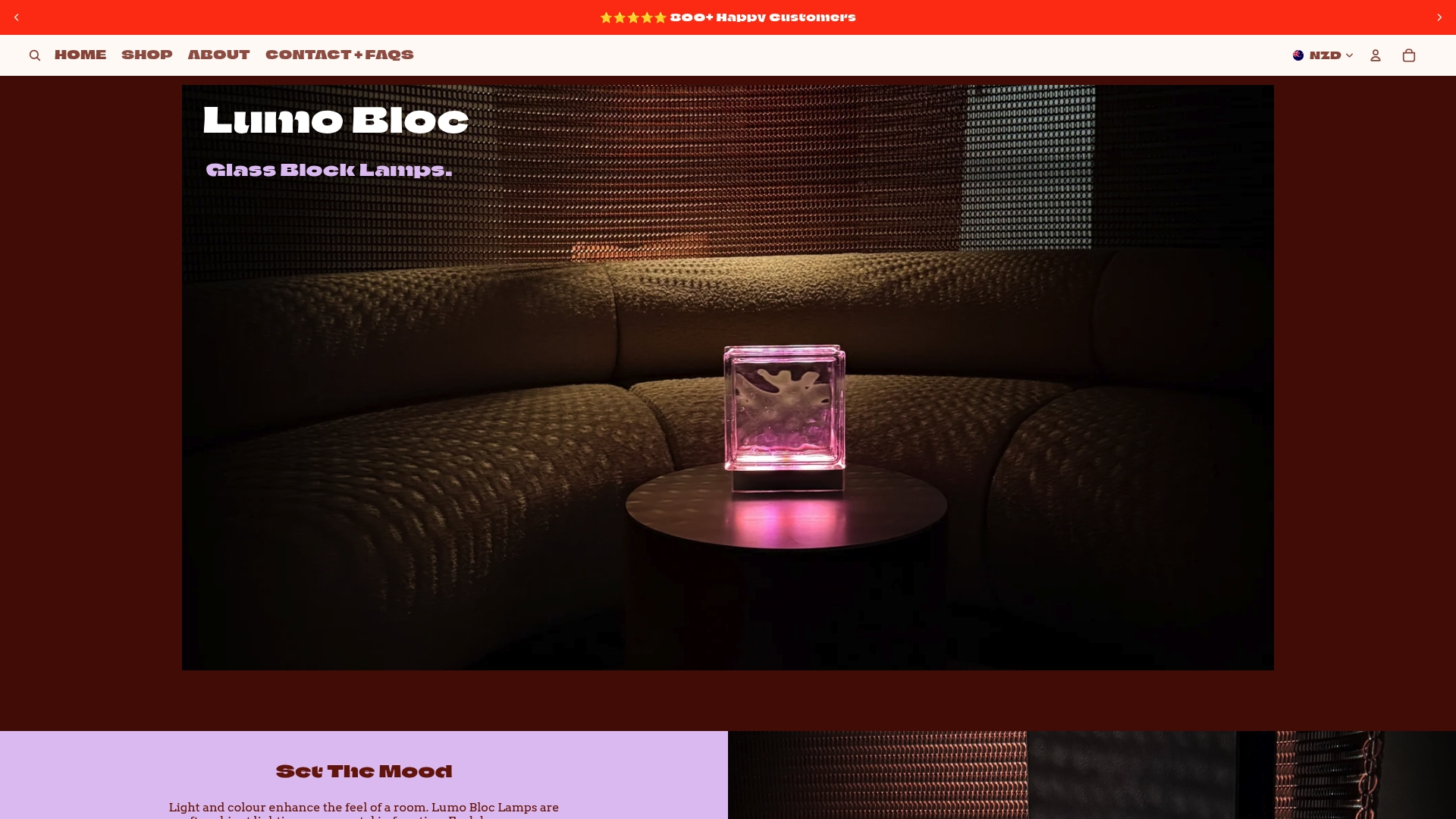
Homeowners and designers seeking stylish yet sustainable lighting solutions will find our collection perfectly balances aesthetic appeal with eco-conscious principles. Every piece reflects New Zealand craftsmanship traditions whilst supporting circular economy values through reclaimed materials. Browse our unique handmade gifts for distinctive lighting options, explore handmade designer lamps showcasing artisan techniques, or discover the wireless weave bloc lamp combining convenience with sustainable design.
Frequently asked questions
What exactly is ambient lighting?
Ambient lighting refers to the general, overall illumination that fills a room and sets its base brightness level. It differs from task lighting focused on specific activities and accent lighting that highlights features.
Why is ambient lighting important for home interiors?
Ambient lighting creates comfortable, functional spaces by providing uniform illumination that reduces eye strain, supports daily activities, and establishes the foundation for layered lighting designs. Proper ambient lighting enhances both aesthetics and well-being.
How does ambient lighting improve energy efficiency?
LED ambient lighting uses up to 75% less energy than traditional incandescent bulbs whilst lasting 25 times longer, significantly reducing electricity consumption and replacement costs. Smart controls and daylight integration further optimise energy use.
Can ambient lighting really affect mood and health?
Yes, ambient lighting directly influences physiological and psychological states through colour temperature selection and balanced illumination that reduces eye fatigue whilst supporting cognitive function and emotional well-being.
What makes sustainable ambient lighting different from standard options?
Sustainable ambient lighting prioritises reclaimed materials, energy-efficient technology, and circular economy principles whilst avoiding greenwashing through transparent sourcing and production methods. Handcrafted options offer unique aesthetics with lower environmental impact than mass-produced alternatives.
Recommended
- What Is Ambient Lighting? 75% Energy Savings Guide – Lumo Bloc Lamps
- Types of decorative lighting in 2026: 40% more eco-friendly – Lumo Bloc Lamps
- Ambient Lighting in Boutique Hotels: Up to 50% Energy Savings – Lumo Bloc Lamps
- 6 Types of Sustainable Lighting for Eco-Friendly Spaces – Lumo Bloc Lamps